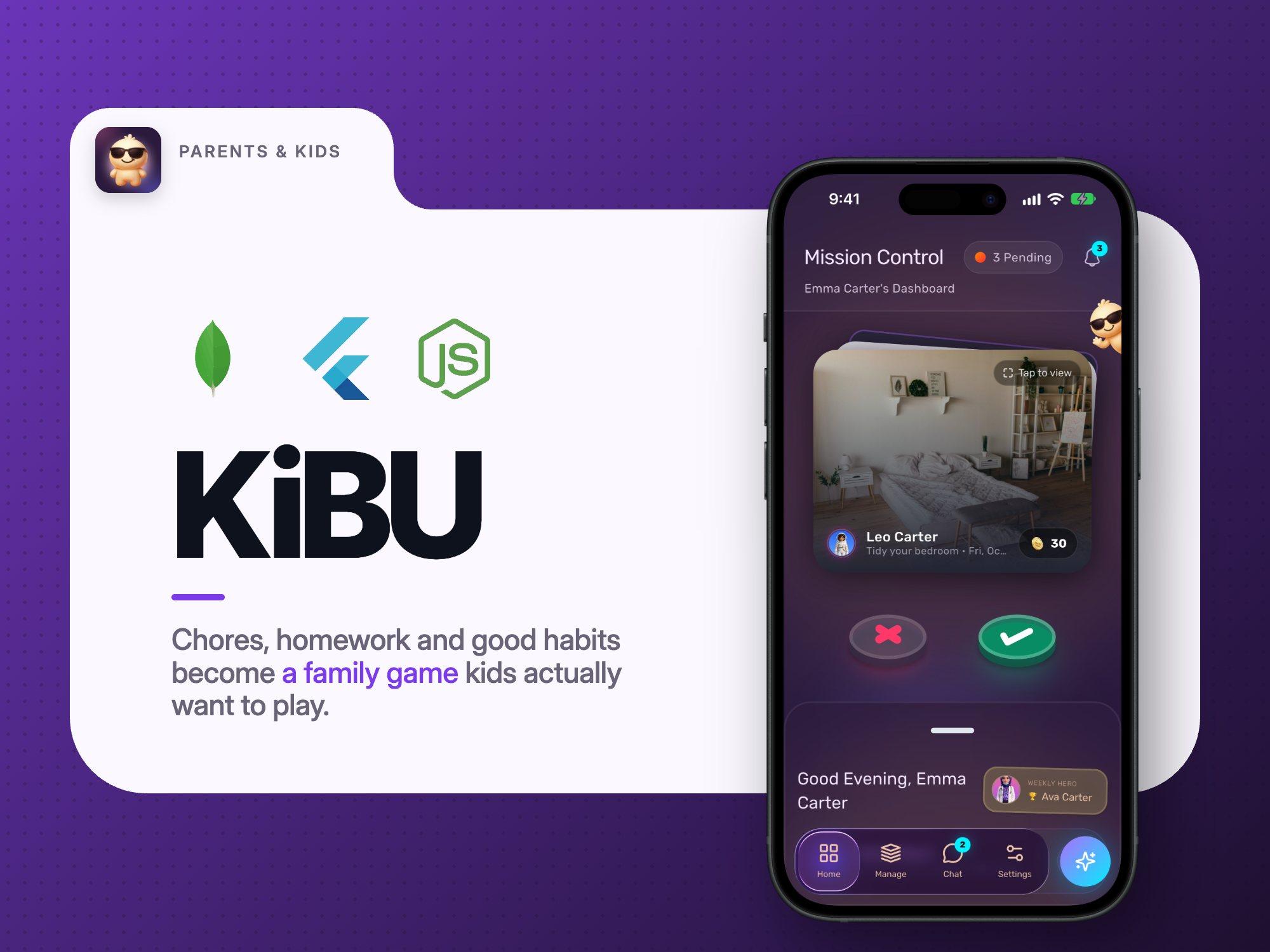
Chores, homework and good habits, turned into a game the whole family plays
- Mobile application
- Parenting
iOS, Android, web and AI products
A small product team that designs and builds apps for founders. You own the code from day one.
 KiBUParentingView the case study
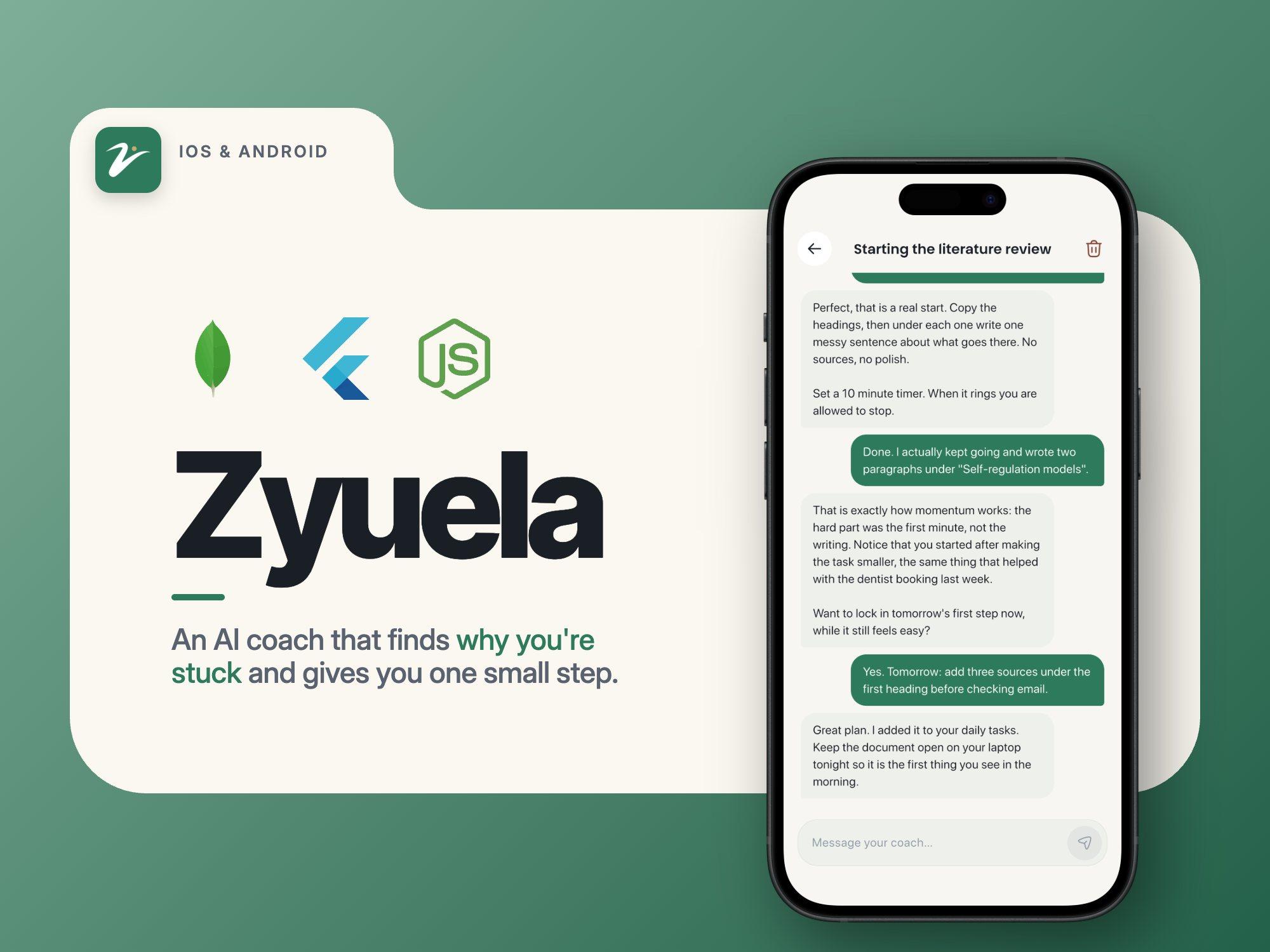
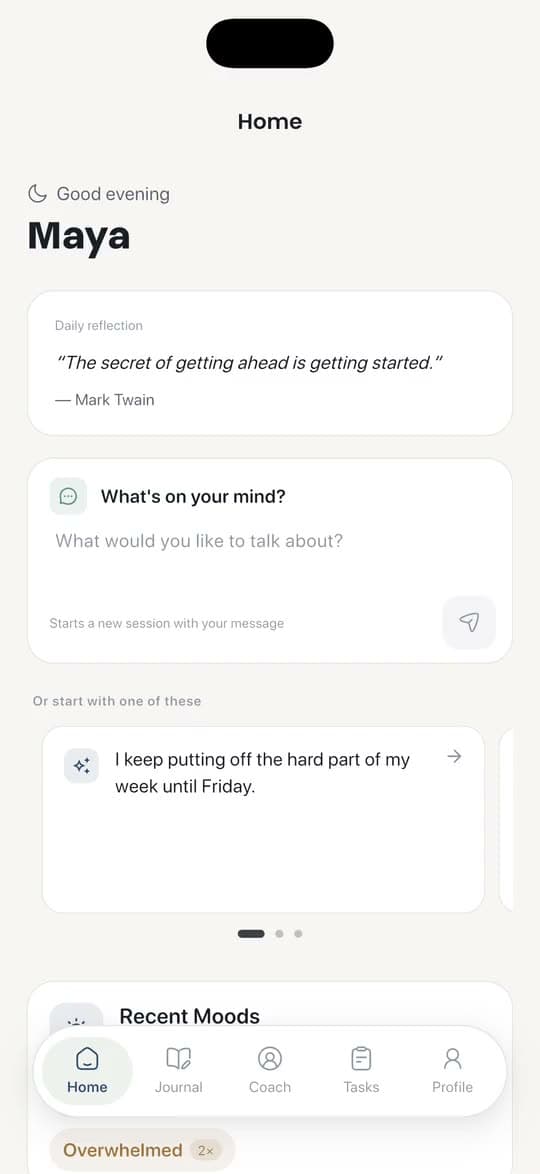
 ZyuelaAI coachingView the case study
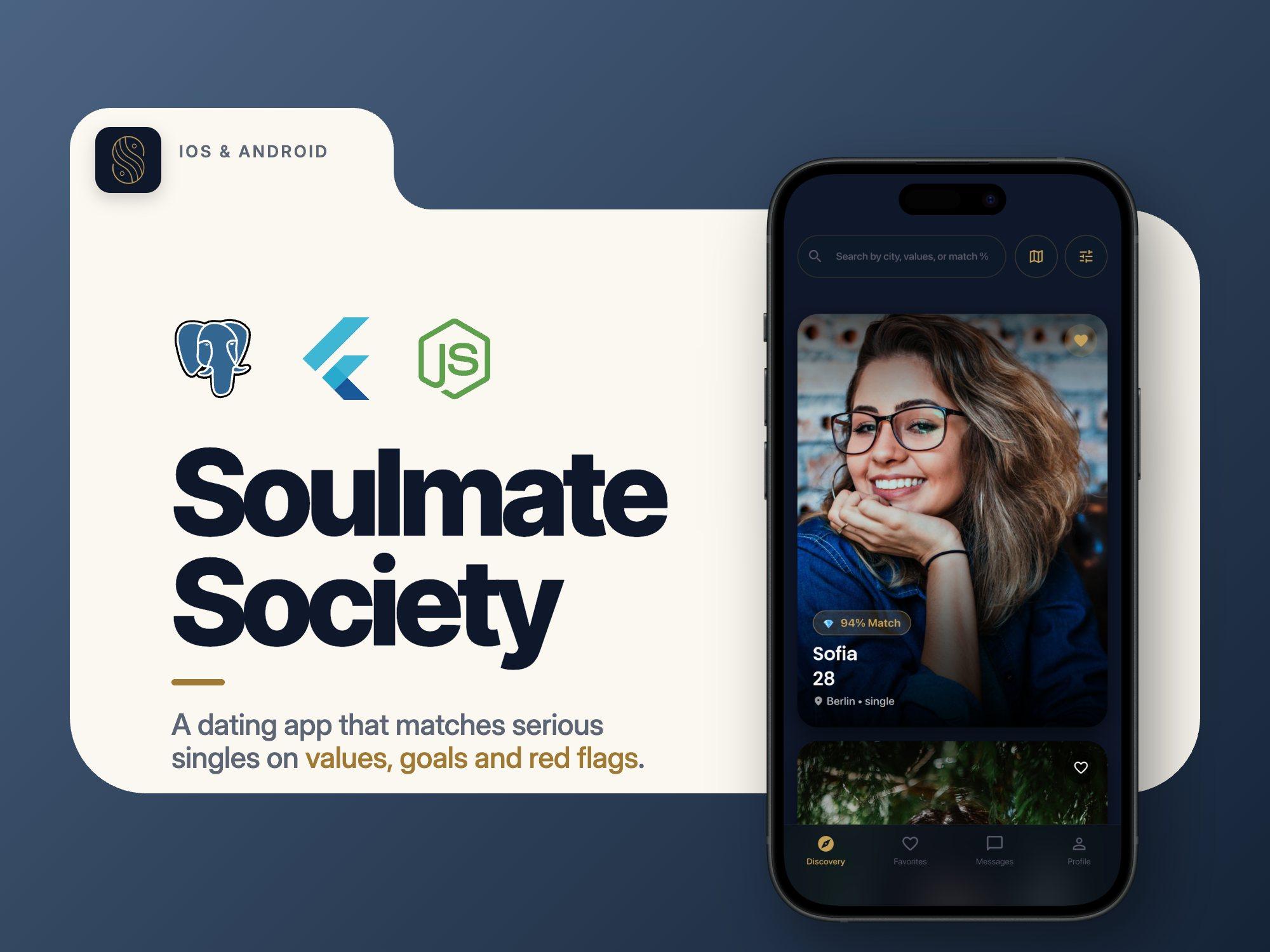
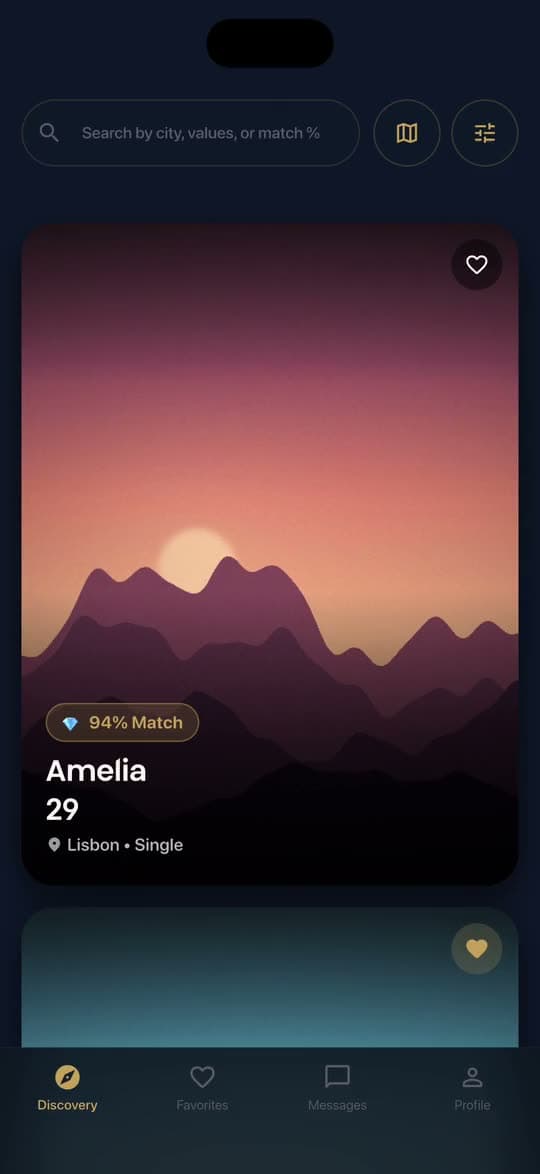
 Soulmate SocietyMatchmakingView the case study
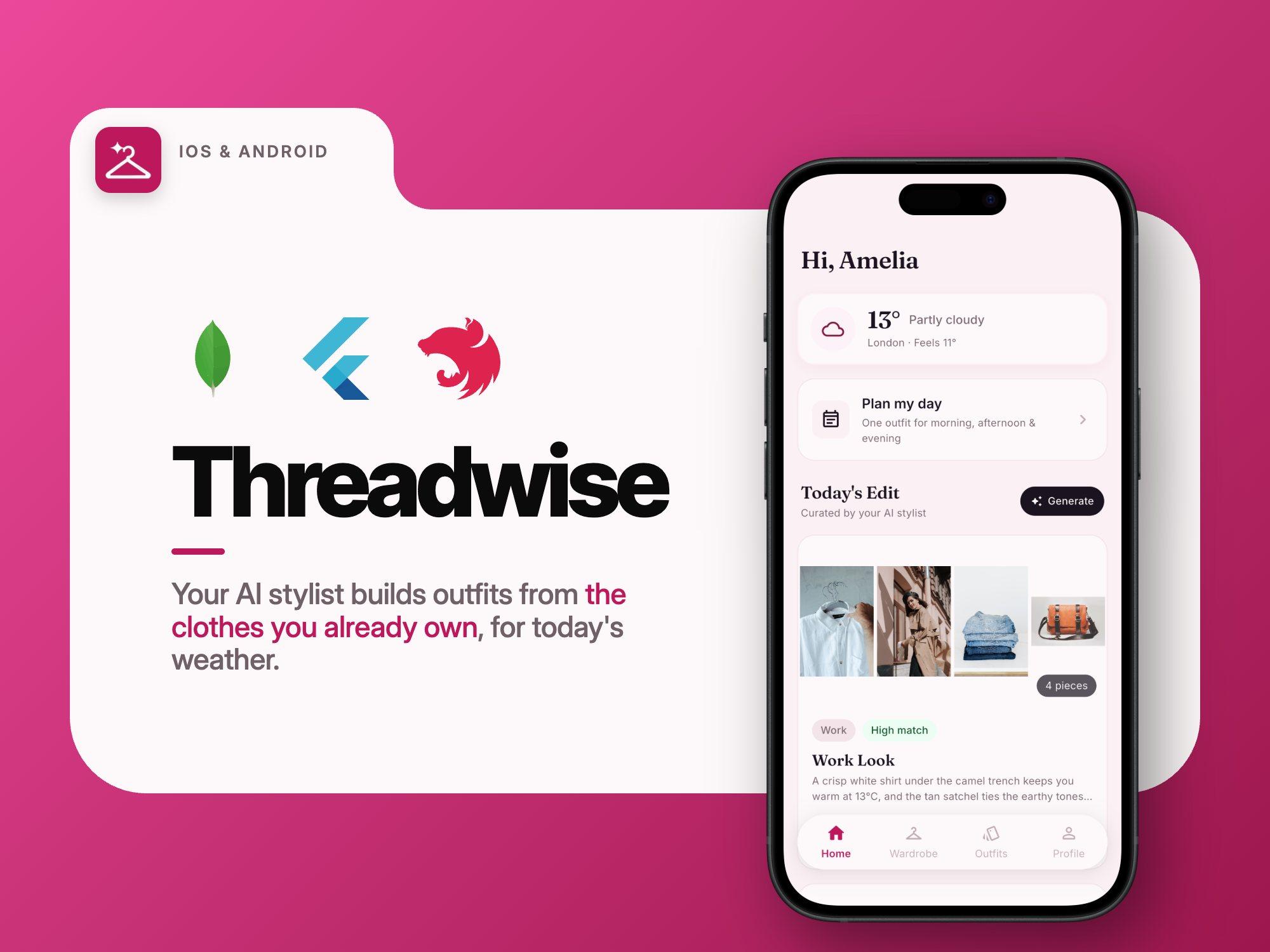
 ThreadwiseAI stylingView the case study
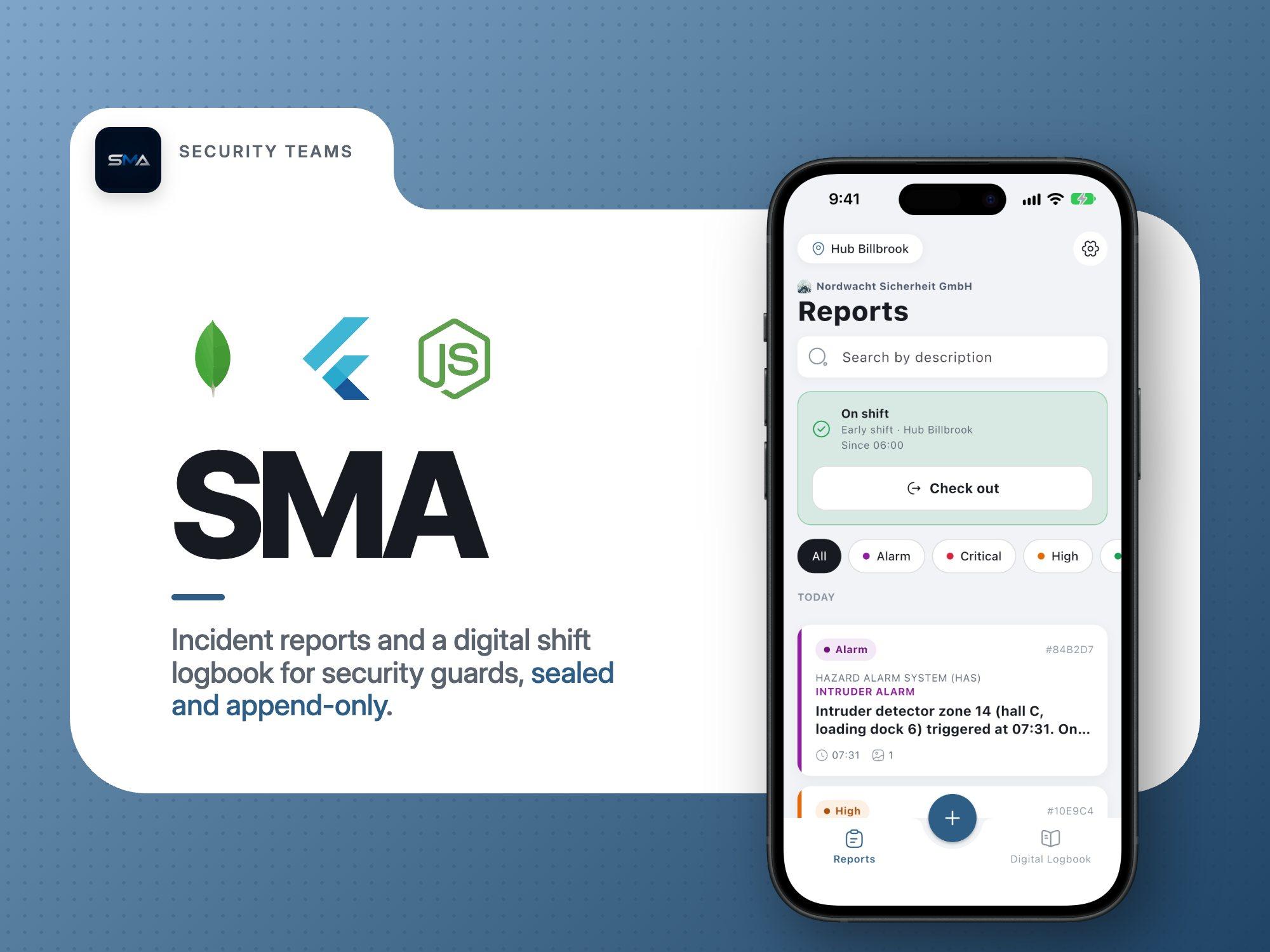
 SMASecurity managementView the case study
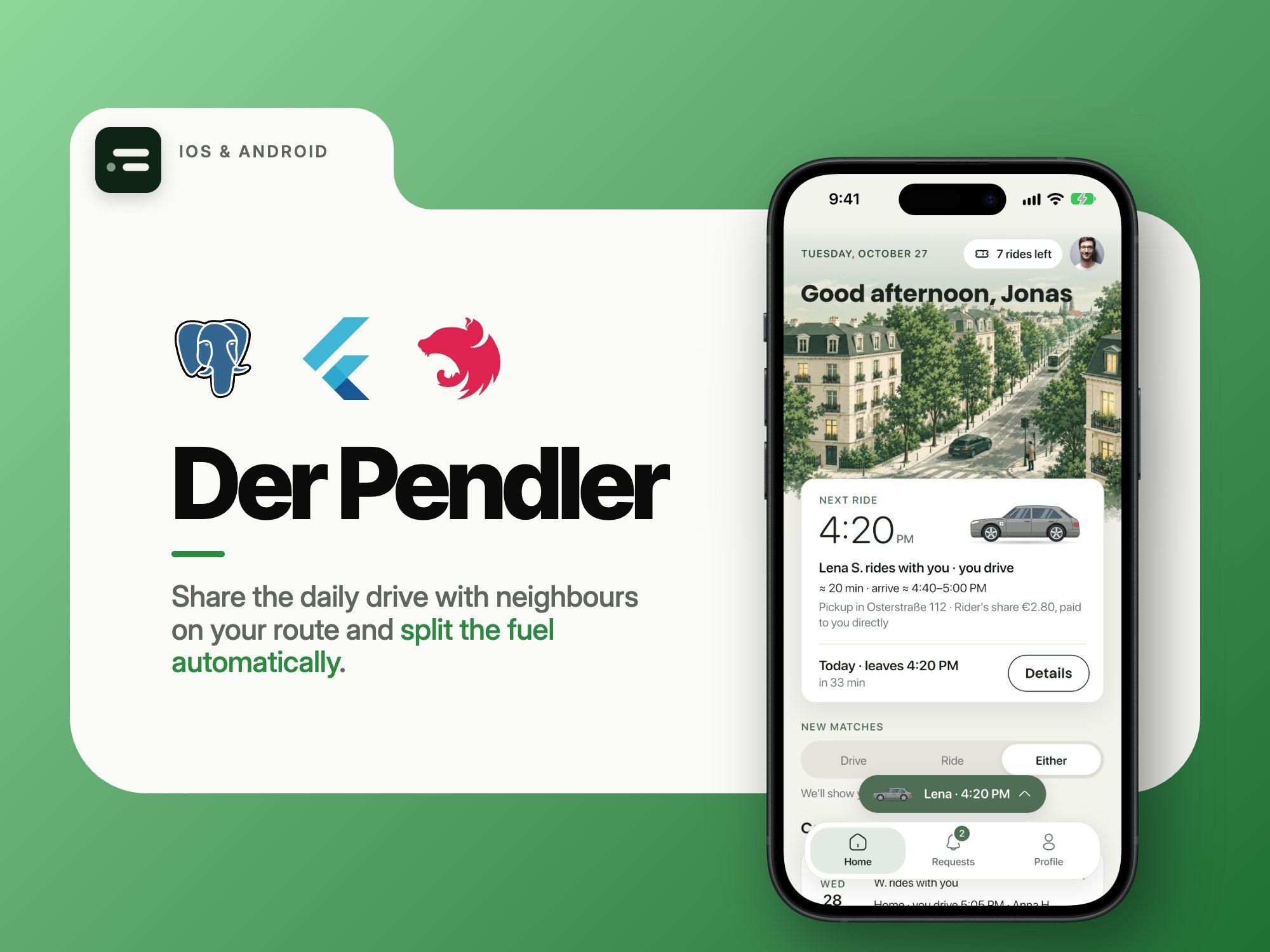
 Der PendlerMobilityView the case study
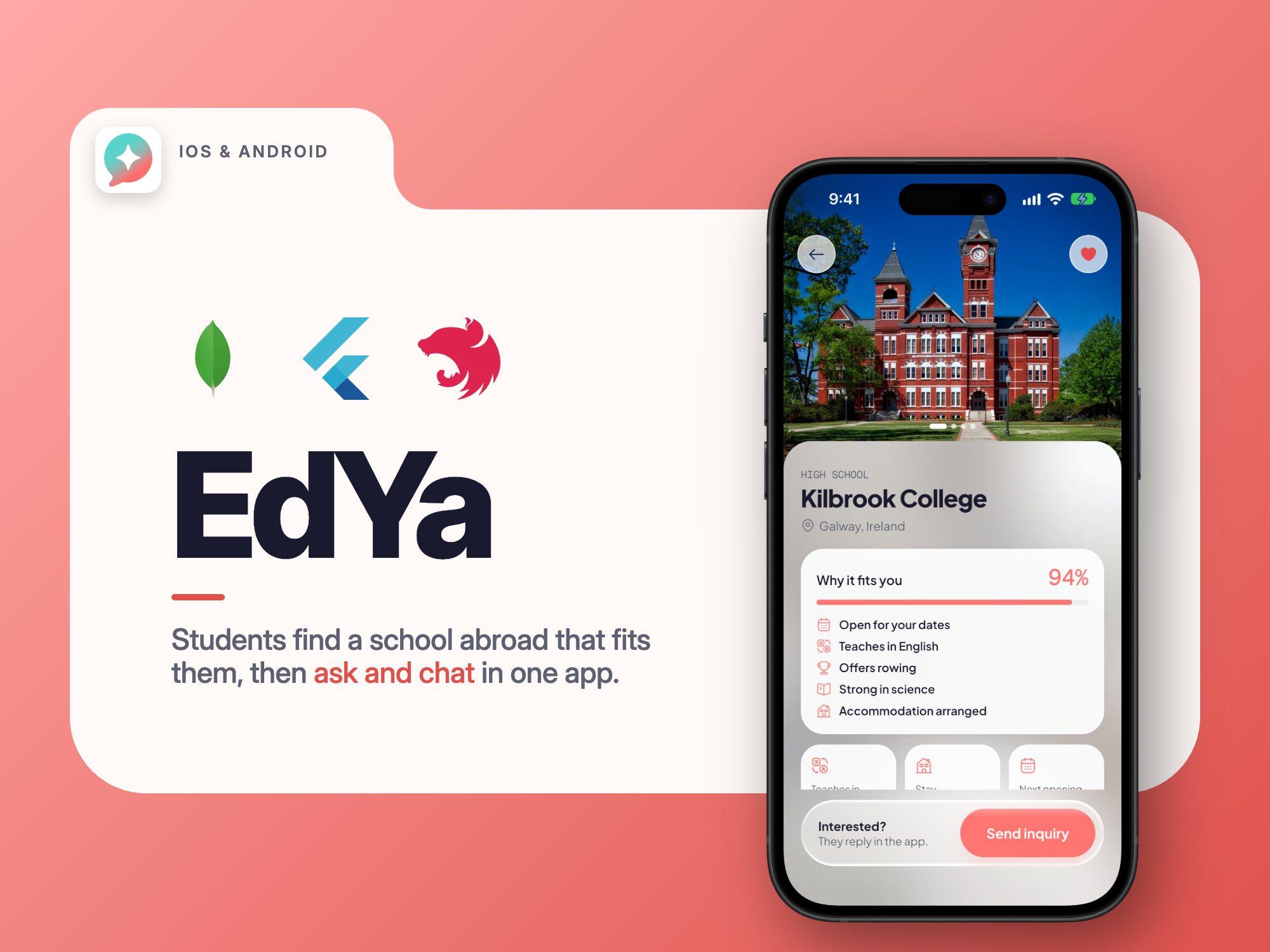
 EdYaEducationView the case study
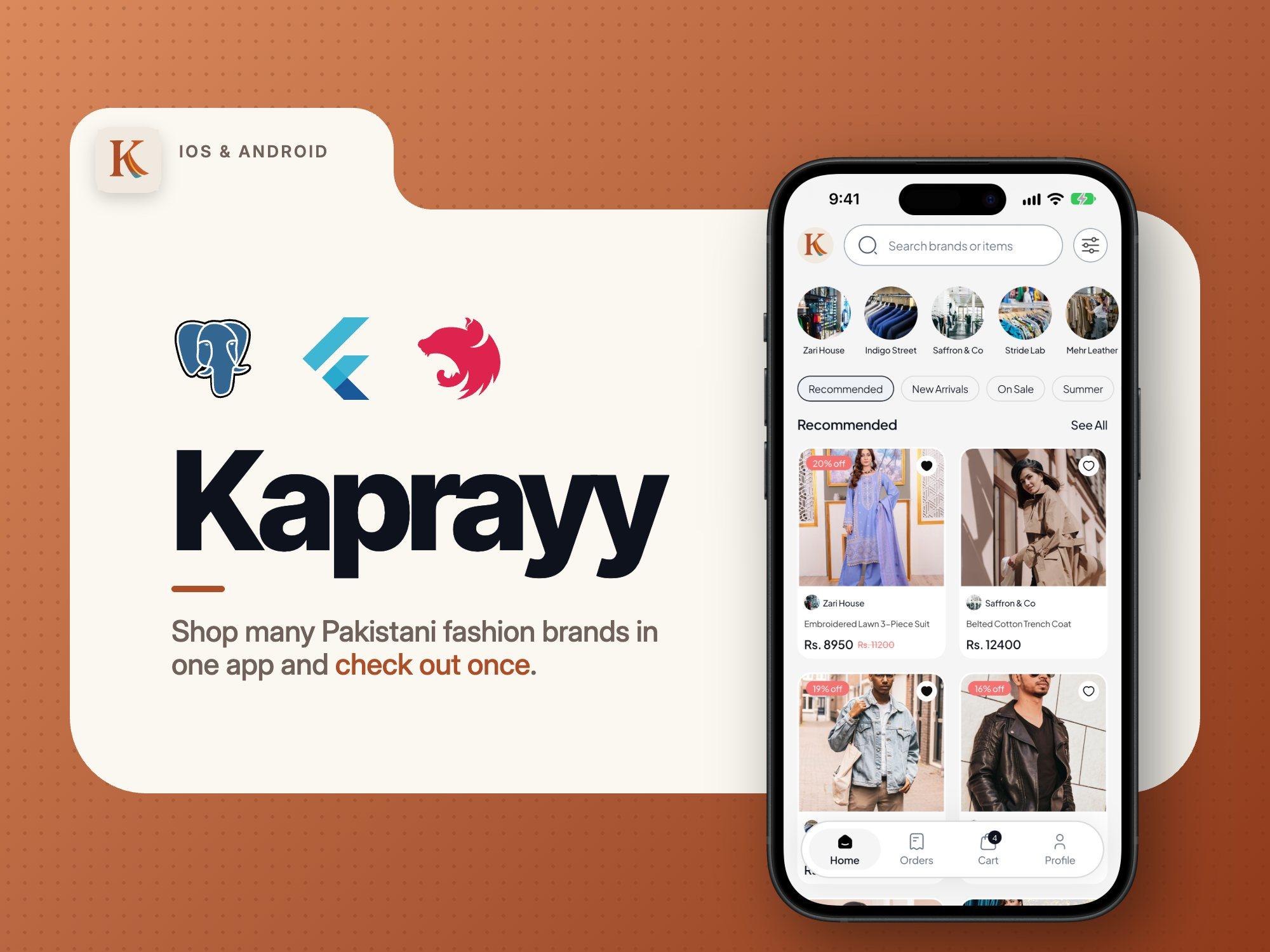
 KaprayyFashionView the case study
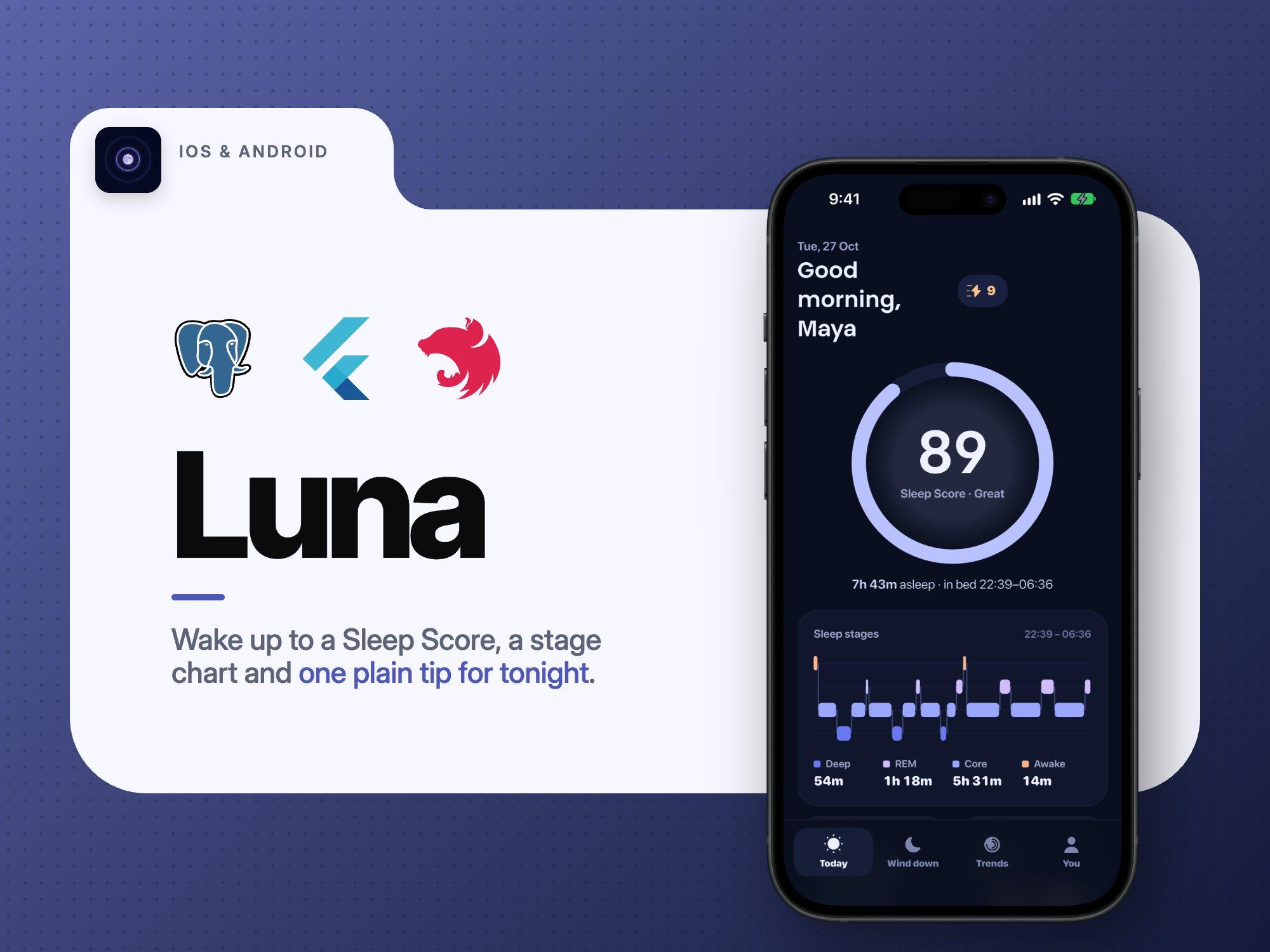
 LunaSleepView the case study
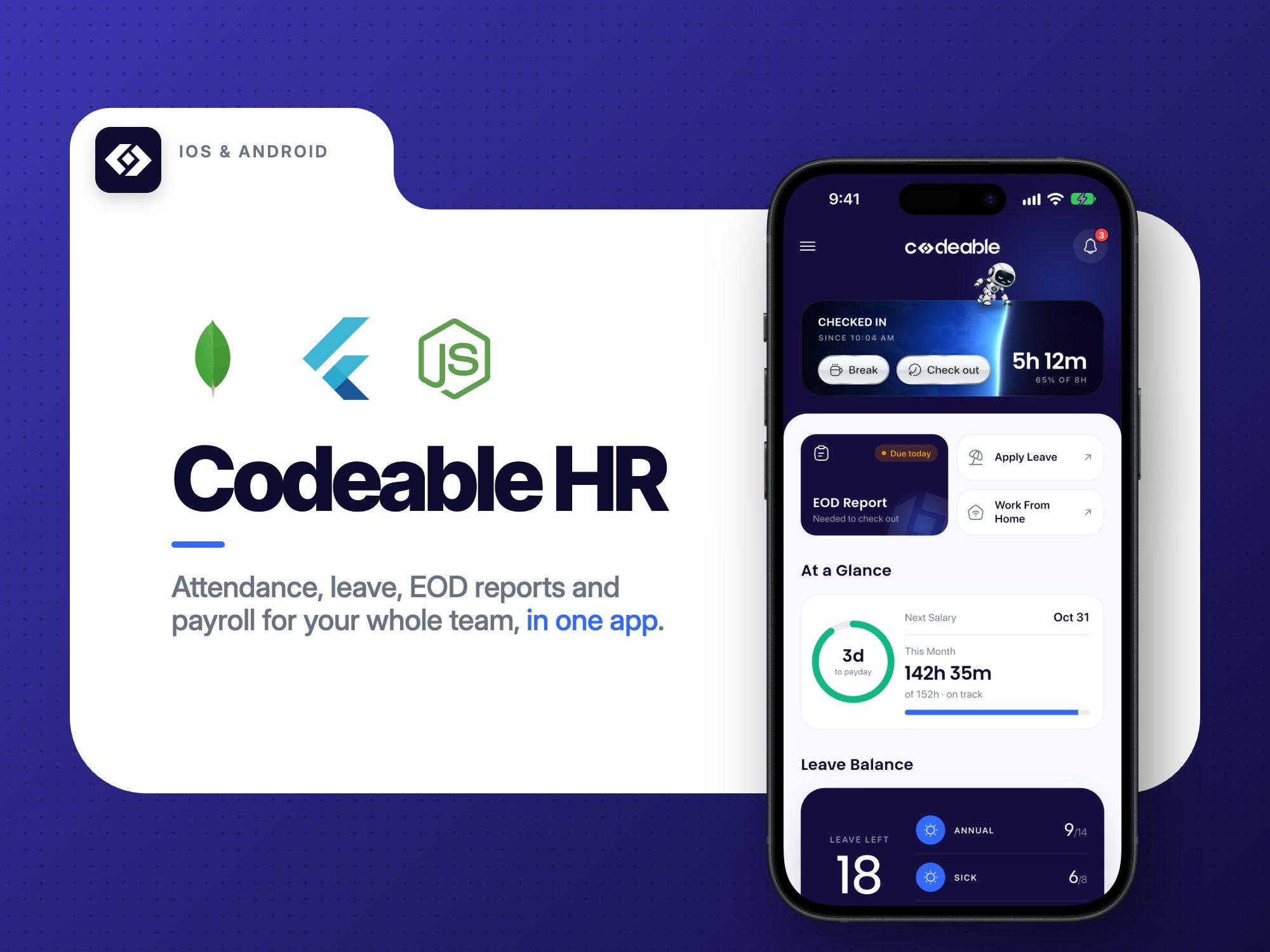
 Codeable HRHuman resourcesView the case study
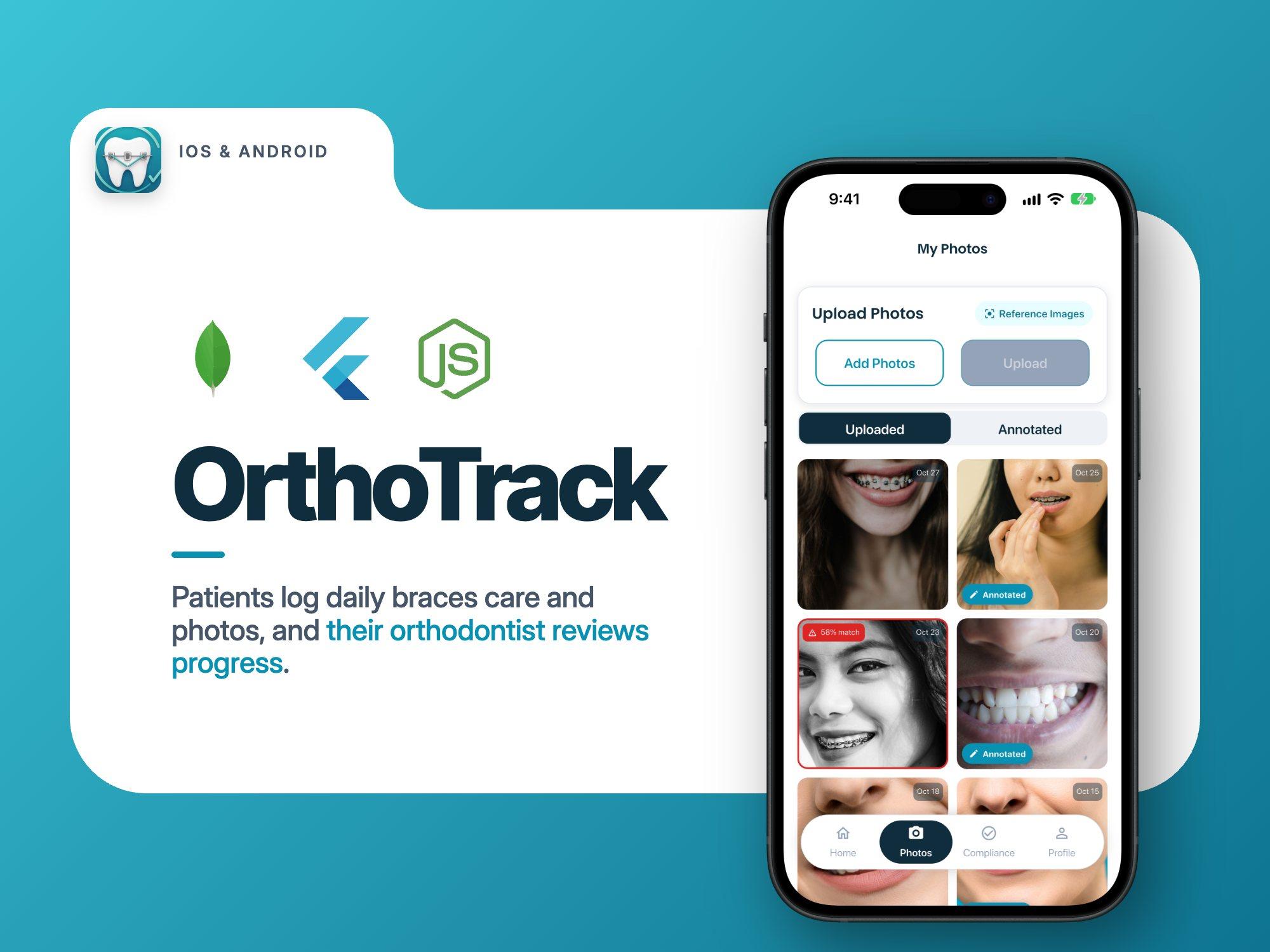
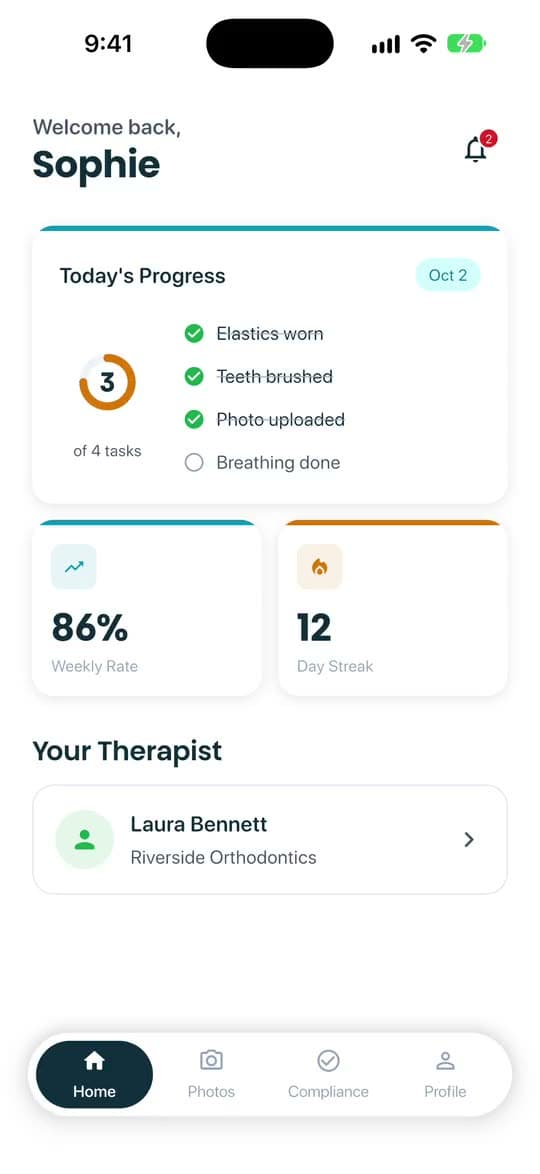
 OrthoTrackClinical careView the case study
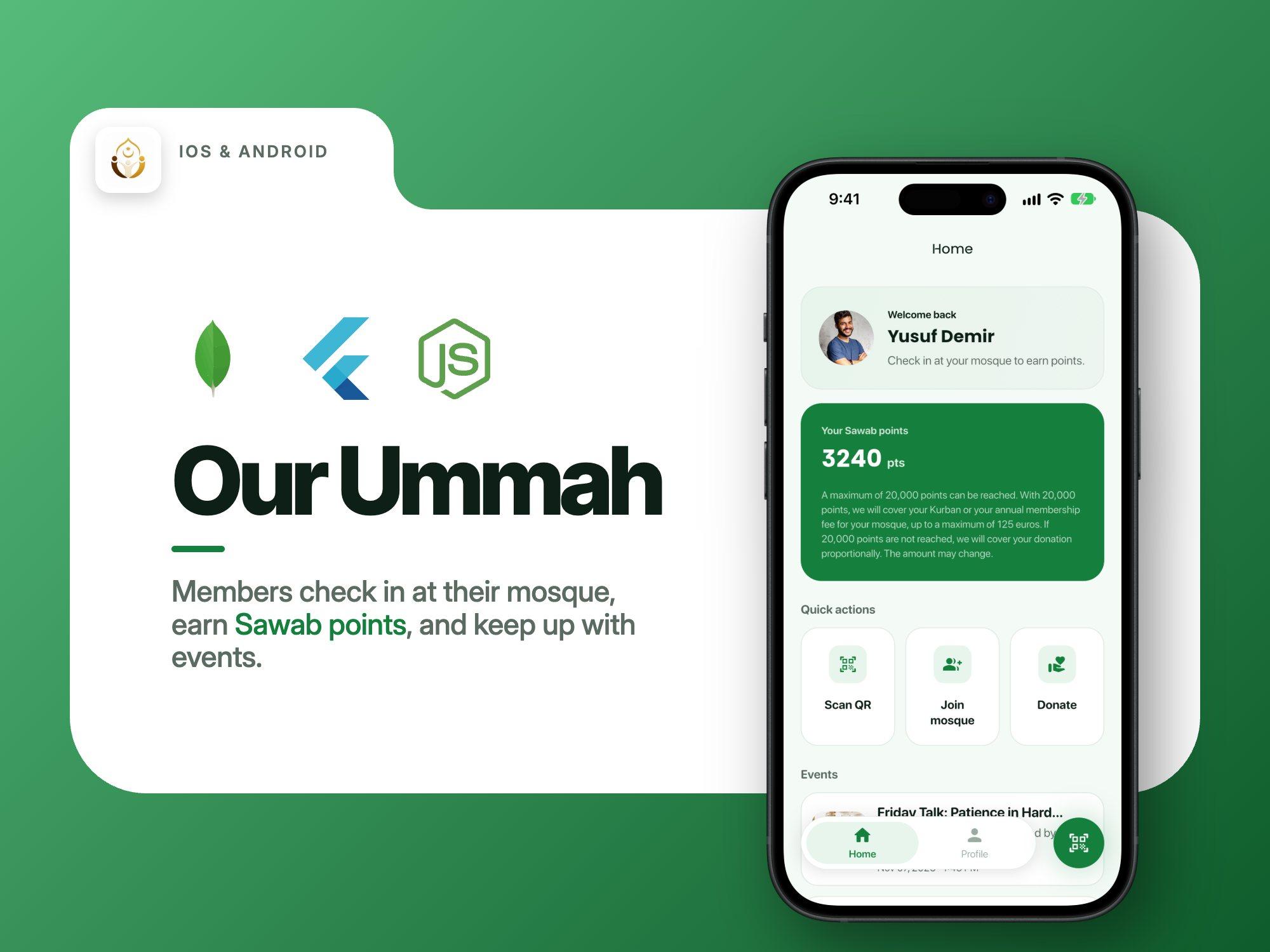
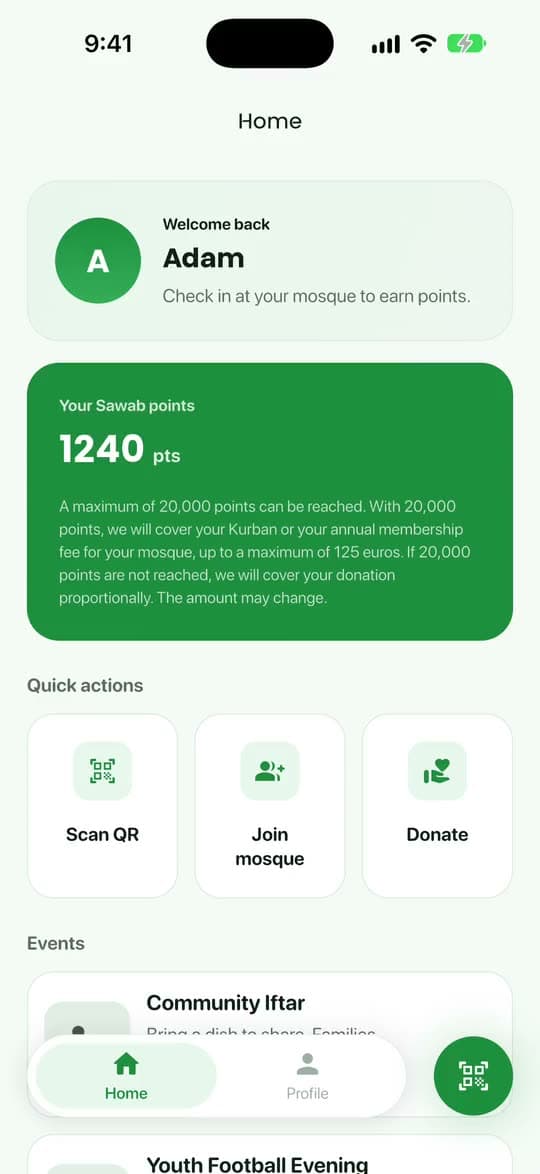
 OurUmmahCommunity givingView the case study
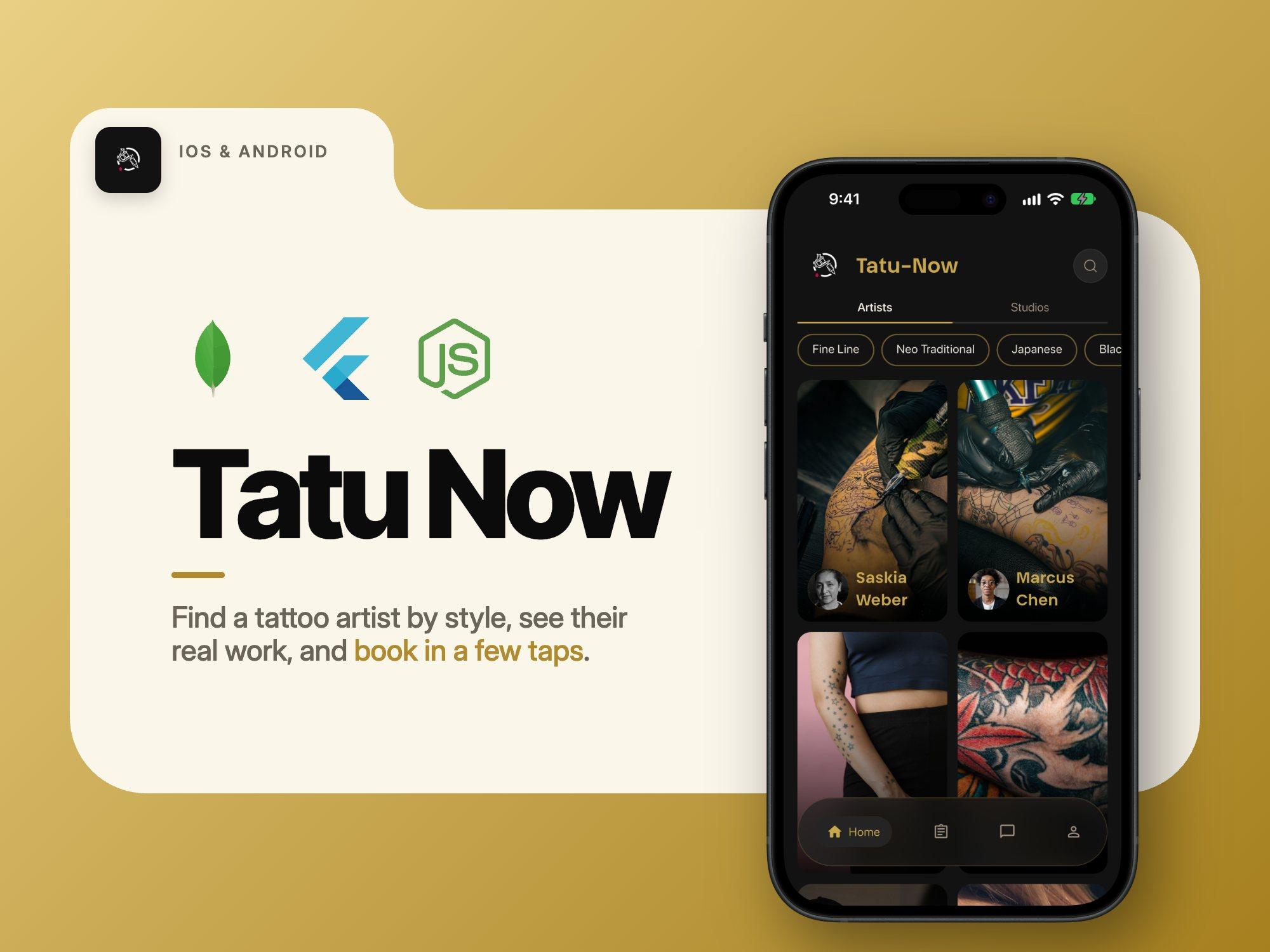
 TatuNowTattoo marketplaceView the case study
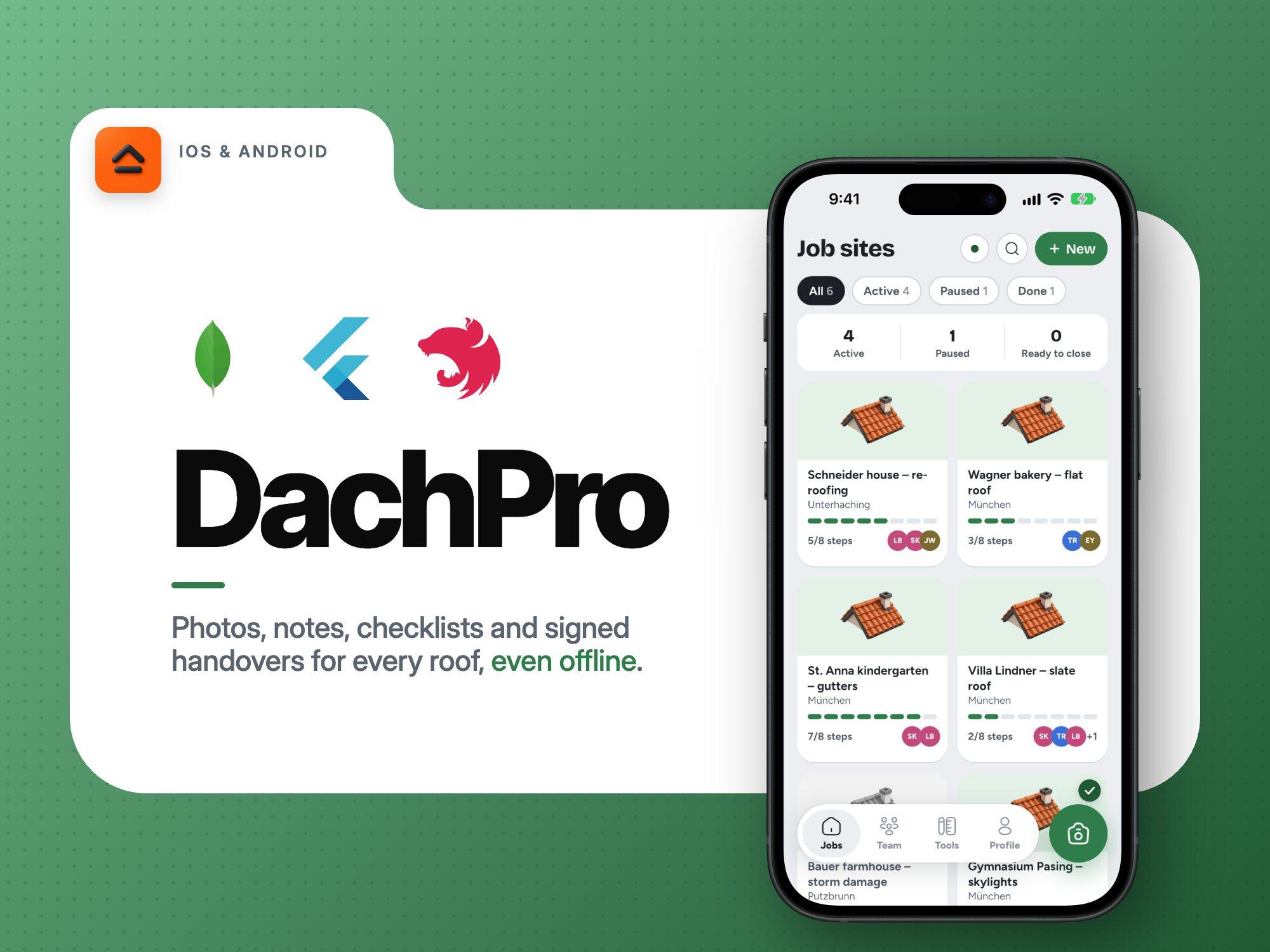
 DachProRoofingView the case study
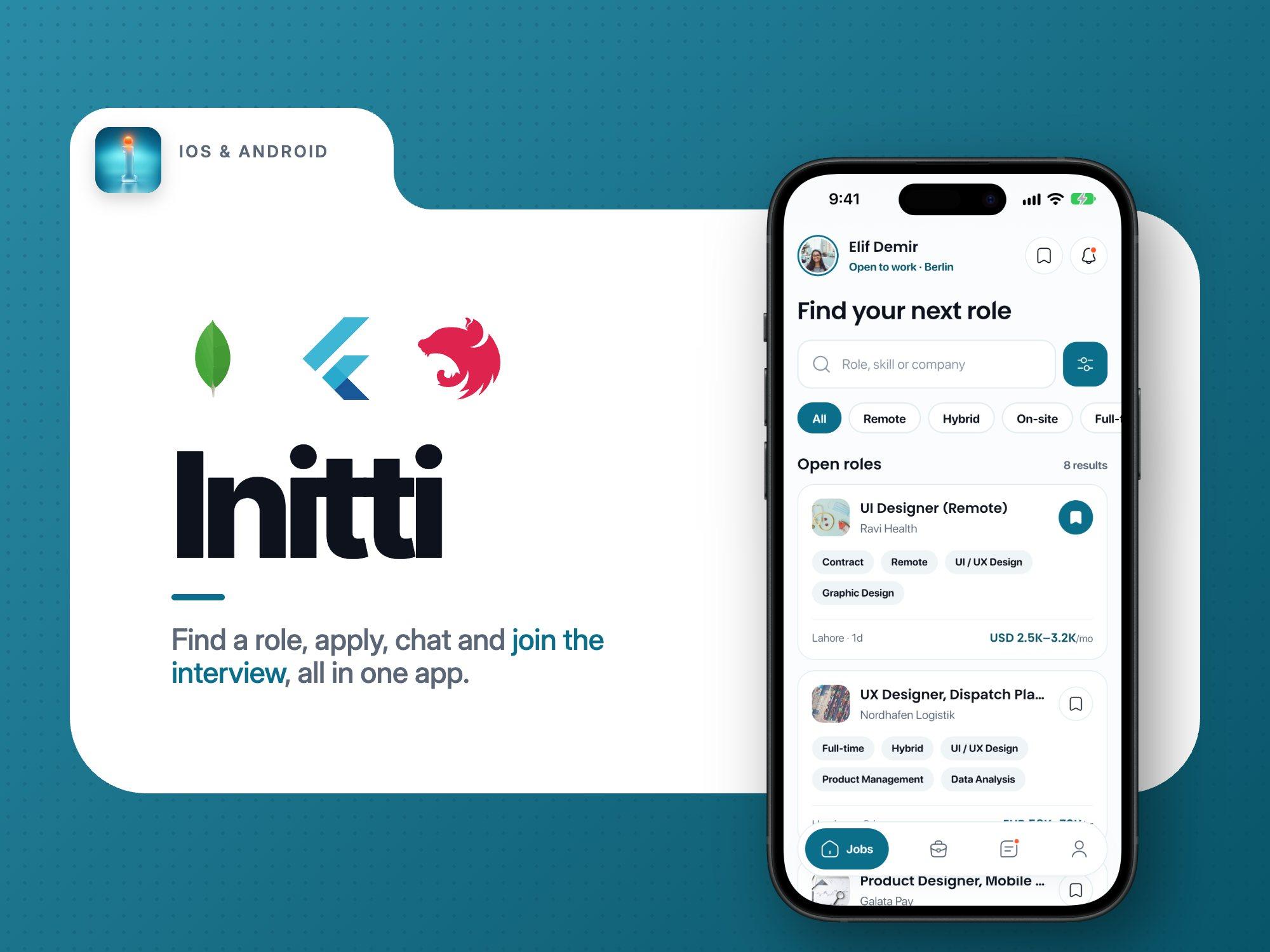
 InittiRecruitmentView the case study
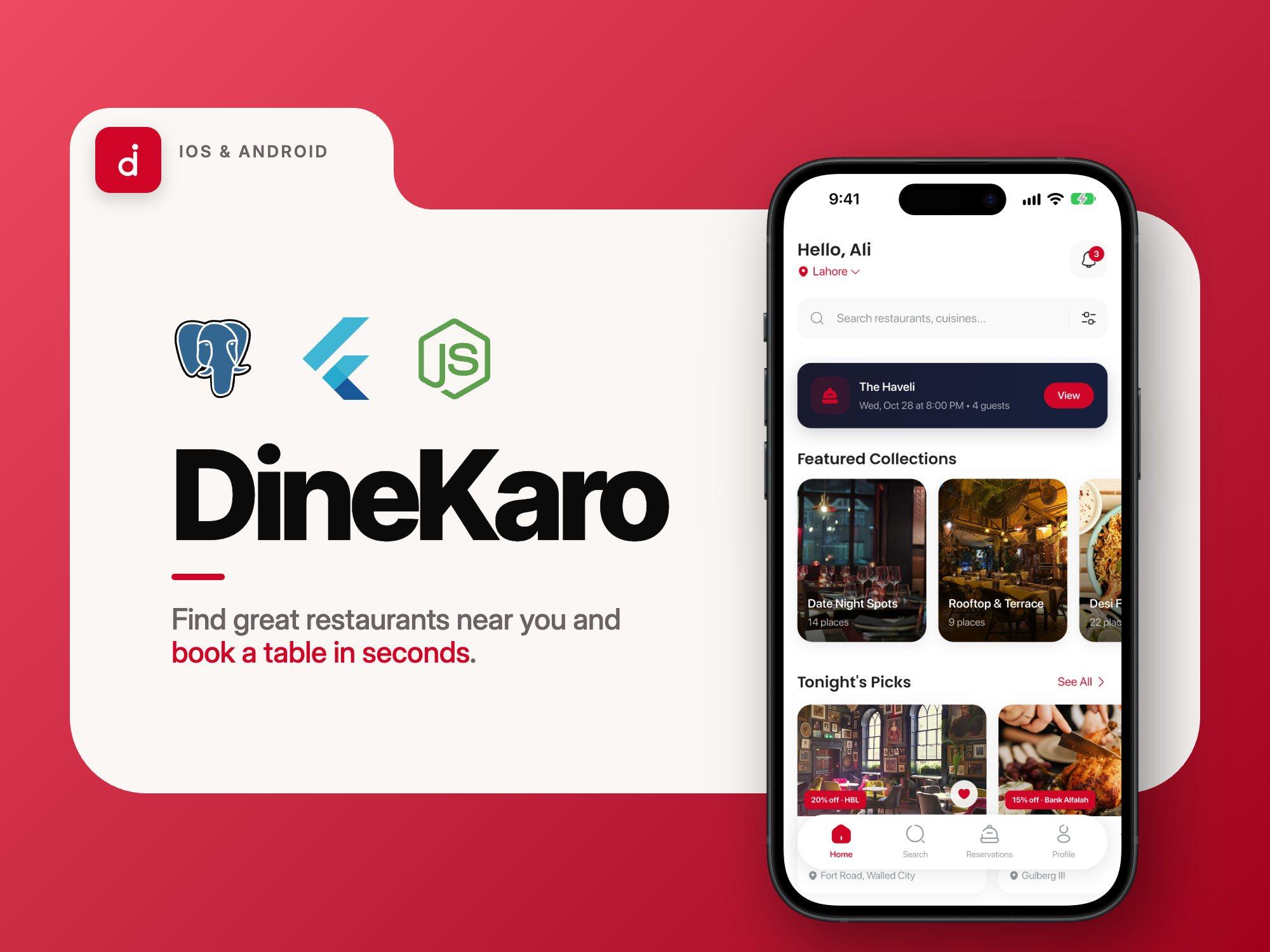
 DineKaroDiningView the case study
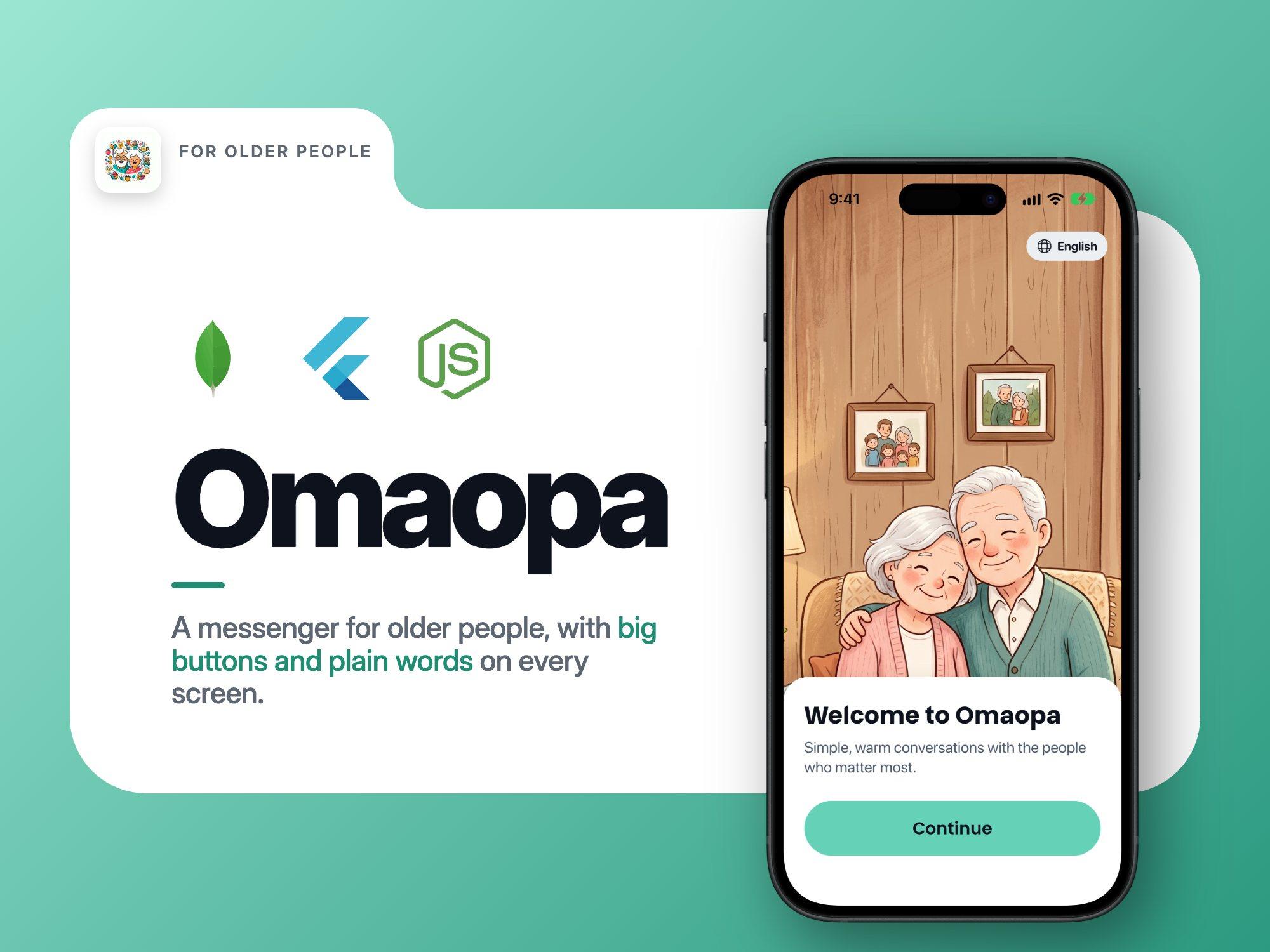
 OmaopaCommunicationView the case study
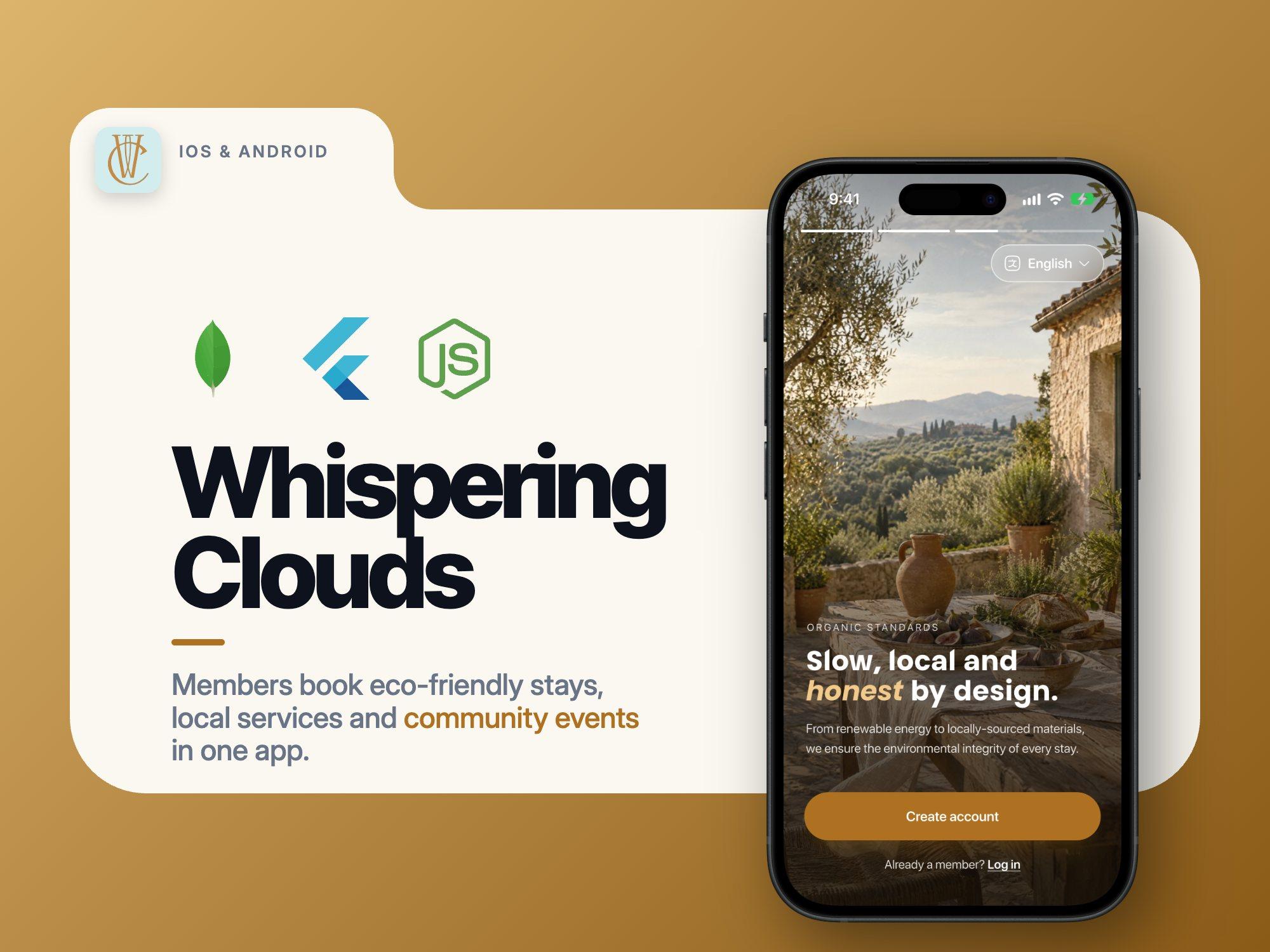
 Whispering CloudsHospitalityView the case study
You talk to the founder, who scopes your project and stays on it until it ships.
01How it works
No procurement process, no discovery retainer before anyone has spoken. You book a slot, we tell you honestly whether we are the right team, and it goes from there.
Thirty minutes on what you're building. If we're not the right team for it, we say so on the call.
You get · A straight answer on fit, scope and rough budget
We turn the conversation into a written plan: what the first release contains, what it deliberately leaves out.
You get · A scoped plan and an estimate with its assumptions attached
Flows, then screens, then a system, with the loading, empty and error states drawn before anything is built.
You get · A clickable prototype and a design system to extend
Two-week cycles, typed end to end. You get a running build at the end of every one, not a status update.
You get · Working software you can use, every second week
We ship it, watch it under real usage, and stay on. The weeks after go-live tell you more than the months before.
You get · A live product, a full handover, and a team still on it
Thirty minutes on what you're building. If we're not the right team for it, we say so on the call.
You get · A straight answer on fit, scope and rough budget
30 min
We turn the conversation into a written plan: what the first release contains, what it deliberately leaves out.
You get · A scoped plan and an estimate with its assumptions attached
Under a week
Flows, then screens, then a system, with the loading, empty and error states drawn before anything is built.
You get · A clickable prototype and a design system to extend
1 week
Two-week cycles, typed end to end. You get a running build at the end of every one, not a status update.
You get · Working software you can use, every second week
2–3 weeks
We ship it, watch it under real usage, and stay on. The weeks after go-live tell you more than the months before.
You get · A live product, a full handover, and a team still on it
Ongoing
02Selected work
Two are live in the stores and the rest are built end to end. Each write-up covers the problem, the approach and the trade-offs, including the ones that didn't go to plan.
Chores, homework and good habits, turned into a game the whole family plays
Attendance, leave, daily reports and payroll for a whole software company, in one app
One place for a mosque, its members and the businesses around it
03What we build
Every technology named below is one we have shipped, not one we could learn. Where we can point at the project, we do.
One Flutter codebase, shipped to both stores. It is the thing we have done most: every product on the strip above is one.
Shipped in Soulmate Society →Marketing sites and landing pages that load fast, rank, and read well on a phone. Static where it can be, dynamic where it has to be.
Multi-role products with accounts, permissions and billing. OrthoTrack runs three separate roles against one data model.
Shipped in OrthoTrack →Models put behind real constraints: your data, your permissions, and a human on anything that commits. Vision scoring and a coaching assistant, both shipped.
Shipped in Zyuela →Checkout, subscriptions and donations, with the reconciliation and failure paths designed rather than discovered in production.
Shipped in OurUmmah →The admin side nobody demos and everybody uses: dashboards, moderation queues, role management and reporting.
Shipped in OrthoTrack →A first release narrow enough to ship and real enough to learn from, built so the second version is not a rewrite.
Shipped in Zyuela →Inheriting someone else's codebase: making it fast, making it safe to change, and shipping again without a rewrite.
04Proof
The parts of hiring a development team that usually go wrong, and what we do about each one. Every answer here is something you can check against the rest of this site.
We publish a client quote only once a named person at a named company has approved it in writing. None has yet, so this space is empty rather than filled with invented ones.
05Questions
Straight answers, including the one about money. If yours is not here, it is a good first question on the call.
Or email abdullahmughal1976@gmail.com
Most work lands between $500 and $3,500, depending on how much of it there is rather than how long we spend. A focused mobile app or a marketing site sits at the lower end; a multi-role platform with payments, real-time features and a backend sits at the upper end. We give you a written number with its assumptions attached, so if something changes you can see exactly which assumption moved.
Discovery takes under a week. An MVP is live within a month of starting, depending on scope. You get a deployed environment updated every iteration from the first week, so you are never waiting until the end to see whether it is going well.
No, and it is the normal case. You know what the software needs to do and what is going wrong today; that is the part nobody else can supply. We handle the translation into architecture and technology choices, and we explain the decisions that affect your budget or your timeline in plain language rather than asking you to approve a stack diagram.
You do, from the first commit. It is your repository, your infrastructure accounts and your app store listings. We work inside them rather than handing something over at the end, which also means you are never locked in: if you want to take the project elsewhere, there is nothing to extract.
We stay on unless you would rather we did not. The weeks after launch tell you more than the months before it, so there is a post-launch review against the measures we agreed before starting, and a backlog built from what real usage revealed rather than from the original plan. Retained capacity or a clean handover, decided up front rather than at the end.
Then we usually do not rebuild it. Most products that matter already exist, and a rewrite is the pitch that gets abandoned halfway. We measure a baseline first, then work in phases with a running system at every step, whether that is performance, the flows where people give up, or making it safe to change.
Flutter for mobile, Next.js and React for web, Node.js with MongoDB or PostgreSQL behind both. For AI work, vision models and LLM integrations that run behind your own permissions with a trace of every call. We pick from what we have shipped rather than what is new, and where your team already runs something well, we work in it instead of around it.
One named person is accountable for the engagement end to end, and you talk to the people writing the code rather than through an account manager. Two-week iterations, notes on what shipped and what moved, and access to the repository throughout.
06Book a call
Thirty minutes, no pitch deck. Bring a rough idea or a finished spec, and leave with a straight answer on scope, cost and whether we're the right team.
Your idea stays yours. Read only by the people who would build it, never reused, never passed on. Happy to sign your NDA first.
Calendar provided by Cal.com and loaded from their servers as you reach this section.
Your idea stays yours
We read every brief and reply within 60 minutes.
Prefer to write? with your files instead, or email abdullahmughal1976@gmail.com.