Capabilities
Everything it takes to get a product into production, and keep it there.
Most engagements draw on several of these at once. They are listed separately so it is obvious what you would actually be buying, and what you would receive at the end of it.
What an engagement looks like
The full answers- Typical project
- $500 – $3,500
- Priced by the scope of the work, not by the hours we spend.
- Discovery
- Under a week
- Ends in a written scope and a number, with the assumptions attached.
- To a working MVP
- 1 month
- A build you can open and use from week one, updated every iteration.
- You own the code
- Day one
- Your repository, your infrastructure, your app store listings.
01Capability group
Strategy & Product
Before anyone writes code, we work out what is actually being built and what would make it a mistake. Discovery ends in a plan you could hand to a different team.
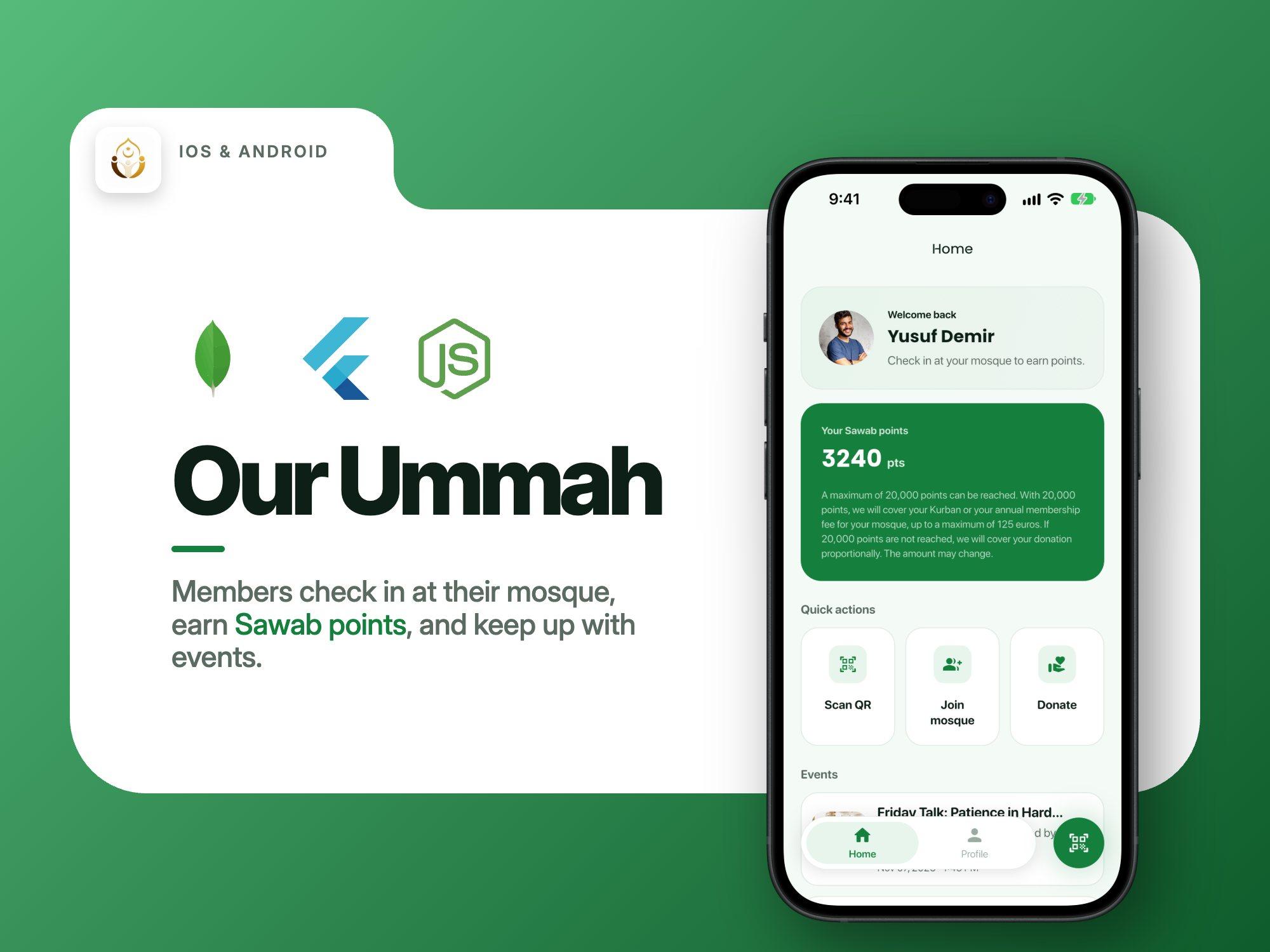
What you receive
- A written product thesis and the decisions behind it
- Technical discovery: constraints, integrations, risks, and what we don't yet know
- A prioritised scope with a first release you could ship
- A clickable prototype of the flows that carry the risk
What this includes
- Product Discovery
- Interviews, current-state mapping, and a scope that survives contact with the constraints.
- Technical Discovery
- Integration surfaces, data realities and delivery risks, itemised before they set the budget.
- Product Strategy
- What to build first, what to defer, and the argument for both, written down.
- UX Research
- Time with the people who will use it, in the place they will use it.
- Prototyping
- A clickable version of the risky flow, tested before it becomes a schema.
02Capability group
Design
Interfaces that a domain expert can move through quickly, built on a system rather than a set of screens, so the tenth feature looks like it belongs with the first.
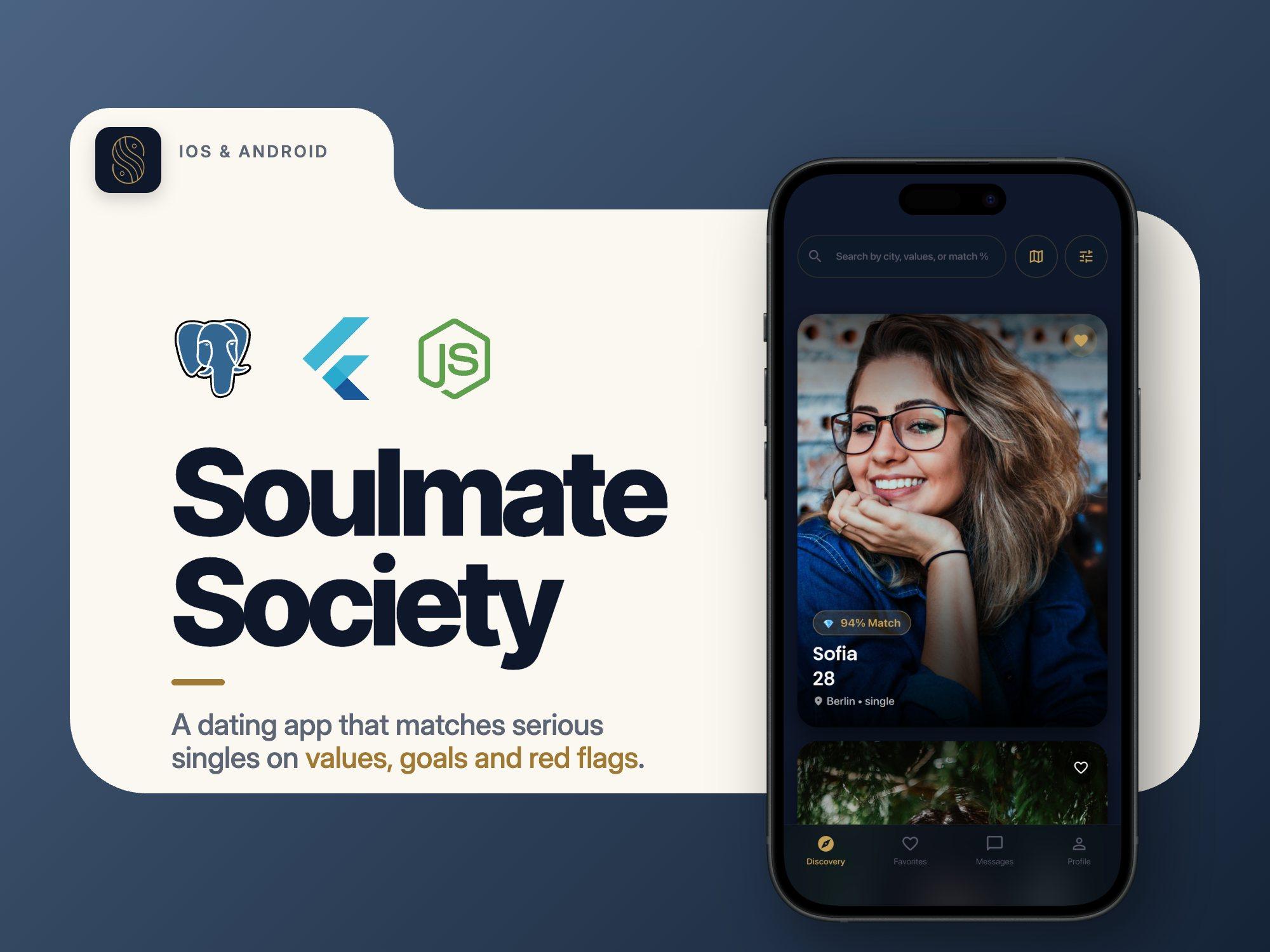
What you receive
- A design system: tokens, components, states, and the rules for extending it
- High-fidelity designs for every state, not only the happy path
- Accessibility built in, contrast, focus order, keyboard paths
- Design files that map one-to-one onto the components in the codebase
What this includes
- UX Design
- Information architecture, flows and the states everyone forgets: empty, loading, error, too much data.
- UI Design
- Typography, colour, density and motion, resolved as a system rather than per screen.
- Product Design
- End-to-end ownership of a product surface, from the argument to the pixel.
- Design Systems
- Tokens and components your team can extend without our involvement.
- Website Design
- Marketing surfaces that carry the same standard as the product behind them.
03Capability group
Engineering
Production software: typed end to end, tested where it matters, observable, and structured so the second team to touch it can find their way around.
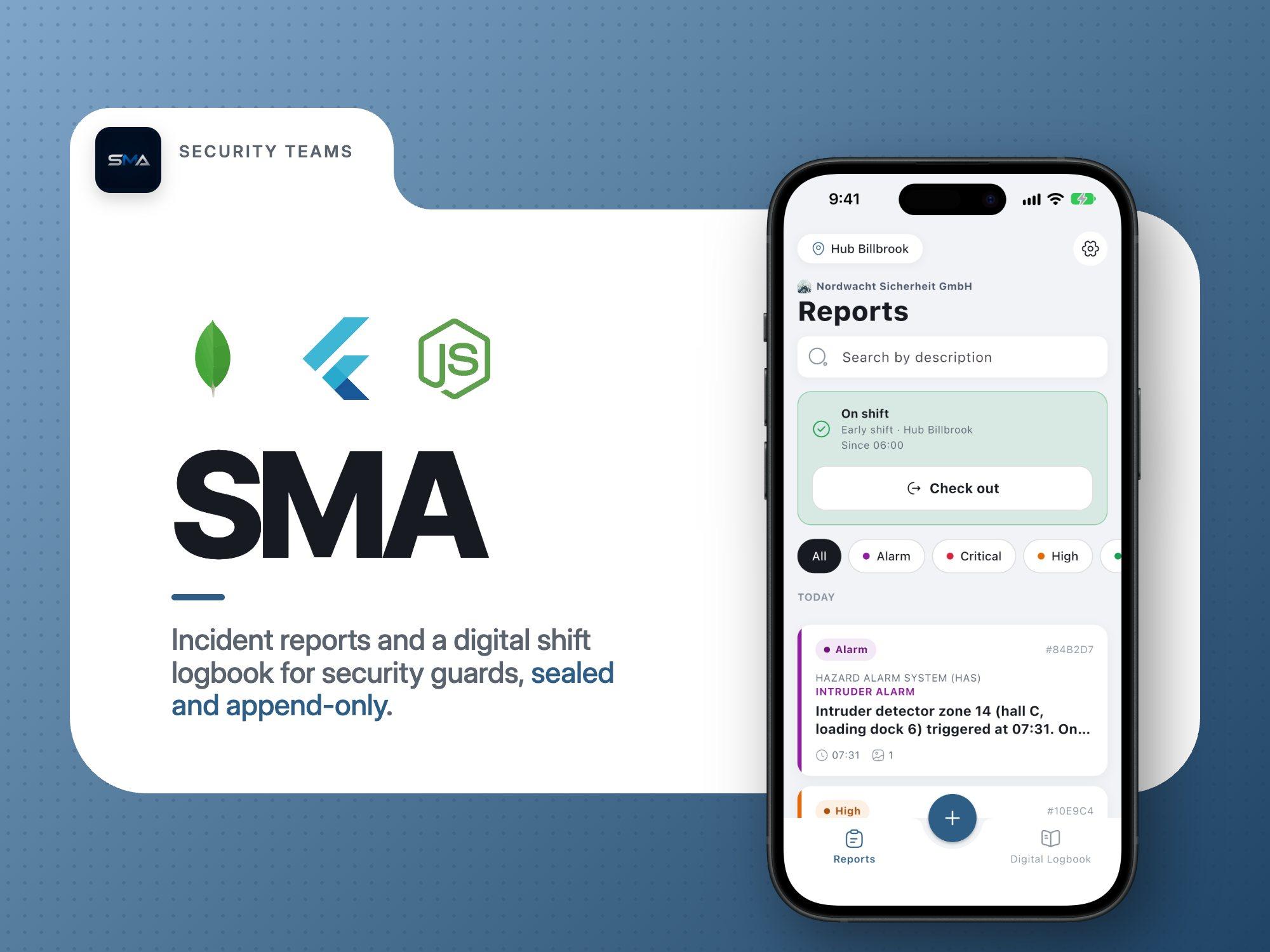
What you receive
- A running application with CI, environments and a deployment path
- Test coverage aimed at the logic that is expensive to get wrong
- Observability: logs, traces and the alerts that actually page someone
- Documentation an engineer who wasn't there can onboard from
What this includes
- Web Applications
- Server-rendered, typed, fast on the devices your users actually have.
- SaaS Development
- Multi-tenancy, billing, roles and audit trails, the parts that are tedious and load-bearing.
- Custom Software
- Internal tools and line-of-business systems that replace a spreadsheet nobody admits to depending on.
- Backend Systems
- Data models, workflows and integrations built to be replayed, not re-run by hand.
- APIs
- Versioned, documented, and validated at the boundary in both directions.
- Cloud Infrastructure
- Infrastructure as code, environments that match, and a rollback you have actually rehearsed.
04Capability group
Mobile
Apps for people who are standing up, outdoors, or somewhere with no signal. Offline behaviour is a design decision, not an error state.
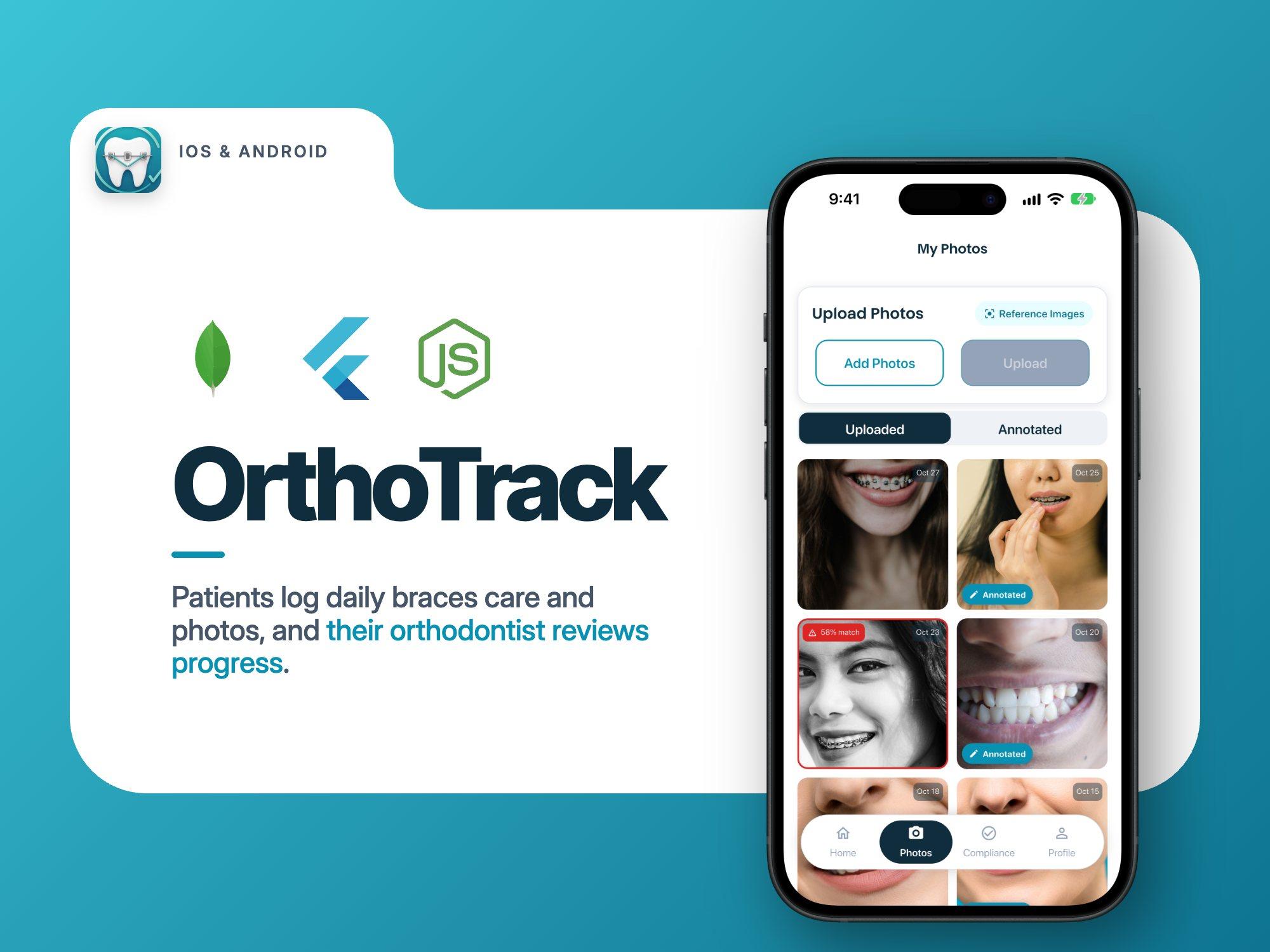
What you receive
- Store-ready iOS and Android builds with a release pipeline
- An explicit offline and sync model, documented and monitored
- Device-tested interaction: one hand, gloves, bad light, low battery
- Crash and performance reporting wired in from the first build
What this includes
- iOS
- Native or cross-platform, whichever the product's requirements actually justify.
- Android
- Including the older, cheaper devices a field workforce is issued.
- Cross-platform Applications
- One codebase where that is honest, with platform-specific behaviour where it is not.
05Capability group
AI & Automation
Language models put behind real constraints: your data, your authorization rules, an audit trail, and a human on the commitments that matter.
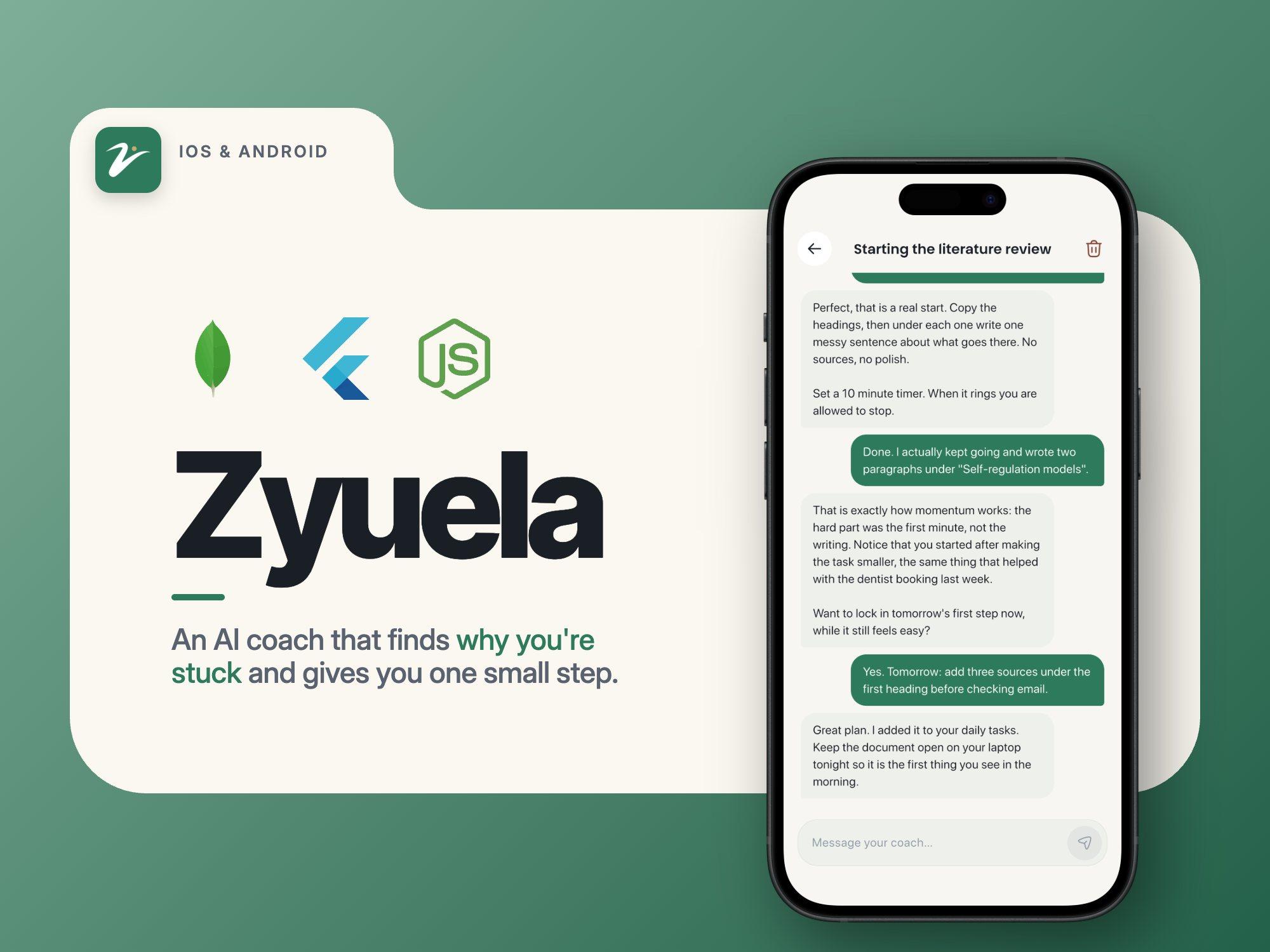
What you receive
- An evaluation set before a prompt reaches production
- Tool-calling against your existing authorized APIs, no privileged shortcut
- Full traces: prompt, tools, cost and outcome, per run
- A cost model, and a fallback for when the provider is down
What this includes
- AI Applications
- Products where the model is a component with a specified job, not the pitch.
- LLM Integrations
- Retrieval, structured output and tool use, evaluated against a fixed set before launch.
- AI Agents
- Scoped autonomy: what it may do, what it must ask about, and what it logs either way.
- Workflow Automation
- The repetitive path automated, the exception routed to a person with context.
- Internal AI Tools
- Assistants over your own documents and systems, with permissions that hold.
06Capability group
Product Evolution
Most software that matters already exists. We make it faster, safer to change, and better to use, without the rewrite that gets pitched and then abandoned halfway.
What you receive
- A measured baseline before any change, so improvement is provable
- A phased plan with a working system at every step
- Performance work tied to real user metrics, not a synthetic score
- Handover, or an ongoing team, your choice, stated up front
What this includes
- Product Modernization
- Incremental migration with the old system live until the new one has earned it.
- Performance Optimization
- Profiling first. Nearly every slow product is a waterfall, not a render cost.
- UX Improvements
- Targeted work on the flows where users actually stall or give up.
- Engineering Support
- Retained capacity for maintenance, dependency upgrades and the small requests.
- Dedicated Teams
- An embedded team working in your process, with our standards, reporting to you.
01How it works
Five steps. The first one takes thirty minutes.
No procurement process, no discovery retainer before anyone has spoken. You book a slot, we tell you honestly whether we are the right team, and it goes from there.
- Fit
- Scope
- Rough budget
- A written plan
- An estimate
- Its assumptions
- Flows, then screens
- A clickable prototype
- A design system
- Two-week cycles
- A running build
- Typed end to end
- A live product
- A full handover
- A team still on it
Thirty minutes on what you're building. If we're not the right team for it, we say so on the call.
You get · A straight answer on fit, scope and rough budget
We turn the conversation into a written plan: what the first release contains, what it deliberately leaves out.
You get · A scoped plan and an estimate with its assumptions attached
Flows, then screens, then a system, with the loading, empty and error states drawn before anything is built.
You get · A clickable prototype and a design system to extend
Two-week cycles, typed end to end. You get a running build at the end of every one, not a status update.
You get · Working software you can use, every second week
We ship it, watch it under real usage, and stay on. The weeks after go-live tell you more than the months before.
You get · A live product, a full handover, and a team still on it
Book a call
30 minThirty minutes on what you're building. If we're not the right team for it, we say so on the call.
You get · A straight answer on fit, scope and rough budget
Scope it
Under a weekWe turn the conversation into a written plan: what the first release contains, what it deliberately leaves out.
You get · A scoped plan and an estimate with its assumptions attached
Design
1 weekFlows, then screens, then a system, with the loading, empty and error states drawn before anything is built.
You get · A clickable prototype and a design system to extend
Build and review
2–3 weeksTwo-week cycles, typed end to end. You get a running build at the end of every one, not a status update.
You get · Working software you can use, every second week
Launch and support
OngoingWe ship it, watch it under real usage, and stay on. The weeks after go-live tell you more than the months before.
You get · A live product, a full handover, and a team still on it
- 01
Book a call
Thirty minutes on what you're building. If we're not the right team for it, we say so on the call.
You get · A straight answer on fit, scope and rough budget
30 min
- 02
Scope it
We turn the conversation into a written plan: what the first release contains, what it deliberately leaves out.
You get · A scoped plan and an estimate with its assumptions attached
Under a week
- 03
Design
Flows, then screens, then a system, with the loading, empty and error states drawn before anything is built.
You get · A clickable prototype and a design system to extend
1 week
- 04
Build and review
Two-week cycles, typed end to end. You get a running build at the end of every one, not a status update.
You get · Working software you can use, every second week
2–3 weeks
- 05
Launch and support
We ship it, watch it under real usage, and stay on. The weeks after go-live tell you more than the months before.
You get · A live product, a full handover, and a team still on it
Ongoing
05Stack
Chosen for the problem, not the résumé.
We are opinionated but not religious. Where a client's team already runs something well, we work in it rather than around it.
Frontend
Server-rendered by default, typed end to end, and shipped with as little JavaScript as the interaction actually requires.
- TypeScript
- React
- Next.js
- Tailwind CSS
- Vite
Backend
Boring, observable services. Durable workflows where an operation crosses a system boundary and cannot be retried by hand.
- Node.js
- NestJS
- Python
- FastAPI
- Go
- GraphQL
- tRPC
Mobile
Cross-platform where the product is honestly one product; native where the hardware or the platform's conventions decide it.
- Flutter
- React Native
- Swift
- Kotlin
Data
Relational until there is a reason not to be. Schemas are the contract, and migrations are reviewed like code.
- PostgreSQL
- Redis
- ClickHouse
- Prisma
- Airflow
- dbt
Cloud & Delivery
Infrastructure as code, environments that match, and a rollback path that has been rehearsed rather than assumed.
- AWS
- Azure
- Vercel
- Terraform
- Docker
- GitHub Actions
AI
Evaluated before it ships, traced after it does, and never given more authority than the audit trail can justify.
- OpenAI
- Anthropic
- LangGraph
- pgvector
- Model Context Protocol
07Book a call
Not sure which of these you need?
That's most of what the first call is for. Bring the problem, not a specification, and we'll work out the shape of it together.
- 01You pick the slot
- 02Bring anything you have
- 03We come prepared
Your idea stays yours. Read only by the people who would build it, never reused, never passed on. Happy to sign your NDA first.
Pick a time. We'll tell you what it takes.
Thirty minutes, no pitch deck. Bring a rough idea or a finished spec, and leave with a straight answer on scope, cost and whether we're the right team.
- 01You pick the slotA live calendar, not a queue. Most people find something inside forty-eight hours.
- 02Bring anything you haveA spec, a Figma link, screenshots, a competitor you like, or nothing at all.
- 03We come preparedWe read whatever you send beforehand, so the call starts at the interesting part.
Your idea stays yours
- What you share stays between you and the people on your project.
- We never reuse your concept, your research or your materials elsewhere.
- Happy to sign your NDA before the call, or send ours.
We read every brief and reply within 60 minutes.
Prefer to write? with your files instead, or email abdullahmughal1976@gmail.com.